

Cart
0
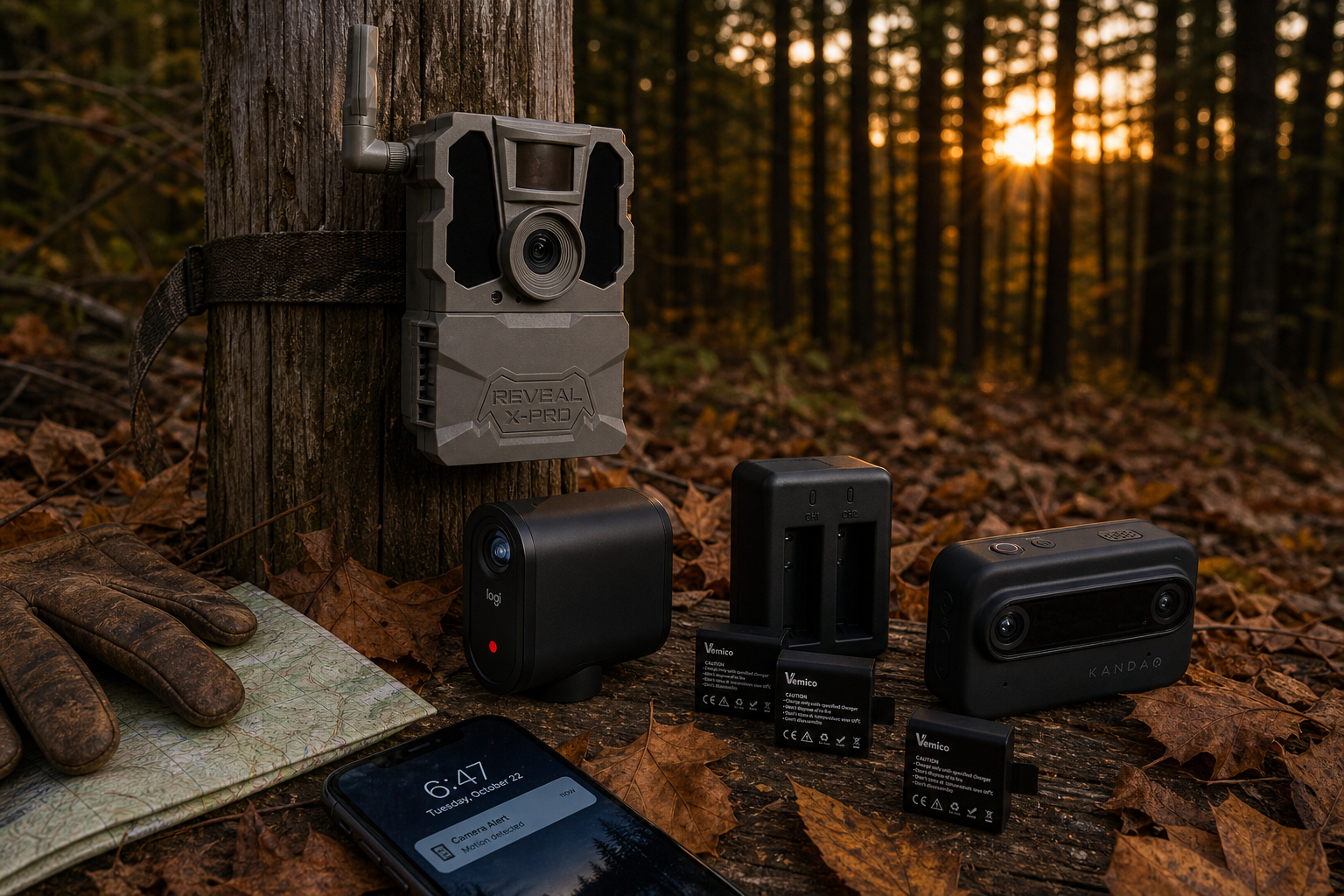
You've found a trail camera listing that says 'wireless' and assumed that covers it. Then you mount the thing a quarter-mile into the woods, drive home, and realize you have to walk back out every few days to pull the SD card. That's not a wireless camera — that's a camera with a wireless shutter button.
The confusion between cellular trail cameras and Wi-Fi trail cameras is real, and it costs people money. Not just the cost of the camera, but the cost of disturbing a hunting spot, spooking deer, and wasting a season. So let's clear it up properly.
The Core Difference: Who's Delivering the Signal
A Wi-Fi trail camera creates or joins a local wireless network. That means you — or your phone — need to be physically close to the camera to connect to it. We're talking within Wi-Fi range, which in a dense forest might be less than 100 feet. You still have to hike in to retrieve your images. The 'wireless' label just means it doesn't need a cable to transfer files once you're standing next to it.
A cellular trail camera uses the same mobile networks your phone does — Verizon, AT&T, and similar carriers. When it detects motion and captures an image, it sends that image directly to your phone or an app, from anywhere the cell signal reaches. You could be sitting at your kitchen table reviewing photos of a buck that walked past your feeder twenty minutes ago. That's the actual difference.
One keeps you tethered to the woods. The other doesn't.
Why It Matters More Than You Think
The obvious benefit is convenience. But for hunters specifically, the stakes are higher than convenience — they're about scent control and pressure. Every time you hike in to check a Wi-Fi camera, you're leaving scent, making noise, and reminding every animal in the area that something's up. Do that twice a week for a month and you've effectively trained the local deer to avoid that spot during daylight.
A cellular camera eliminates those check-in trips entirely. You monitor remotely, you only go in when the data tells you it's worth it, and the camera keeps working without your presence ever being known.
For property owners using cameras for security or surveillance rather than hunting, the same logic applies: a camera that requires you to be on-site to retrieve footage isn't really remote monitoring — it's just a slightly more convenient memory card.
The No-Glow Factor
While we're separating real-world specs from marketing language: 'no-glow IR' is another term worth understanding before you buy.
Standard trail cameras use infrared LEDs for night images that emit a faint red glow when they trigger. Deer, and people, can see it. 'Low-glow' cameras reduce this but don't eliminate it. No-glow cameras use black IR LEDs that are genuinely invisible — no red pulse, no tip-off to whatever you're monitoring.
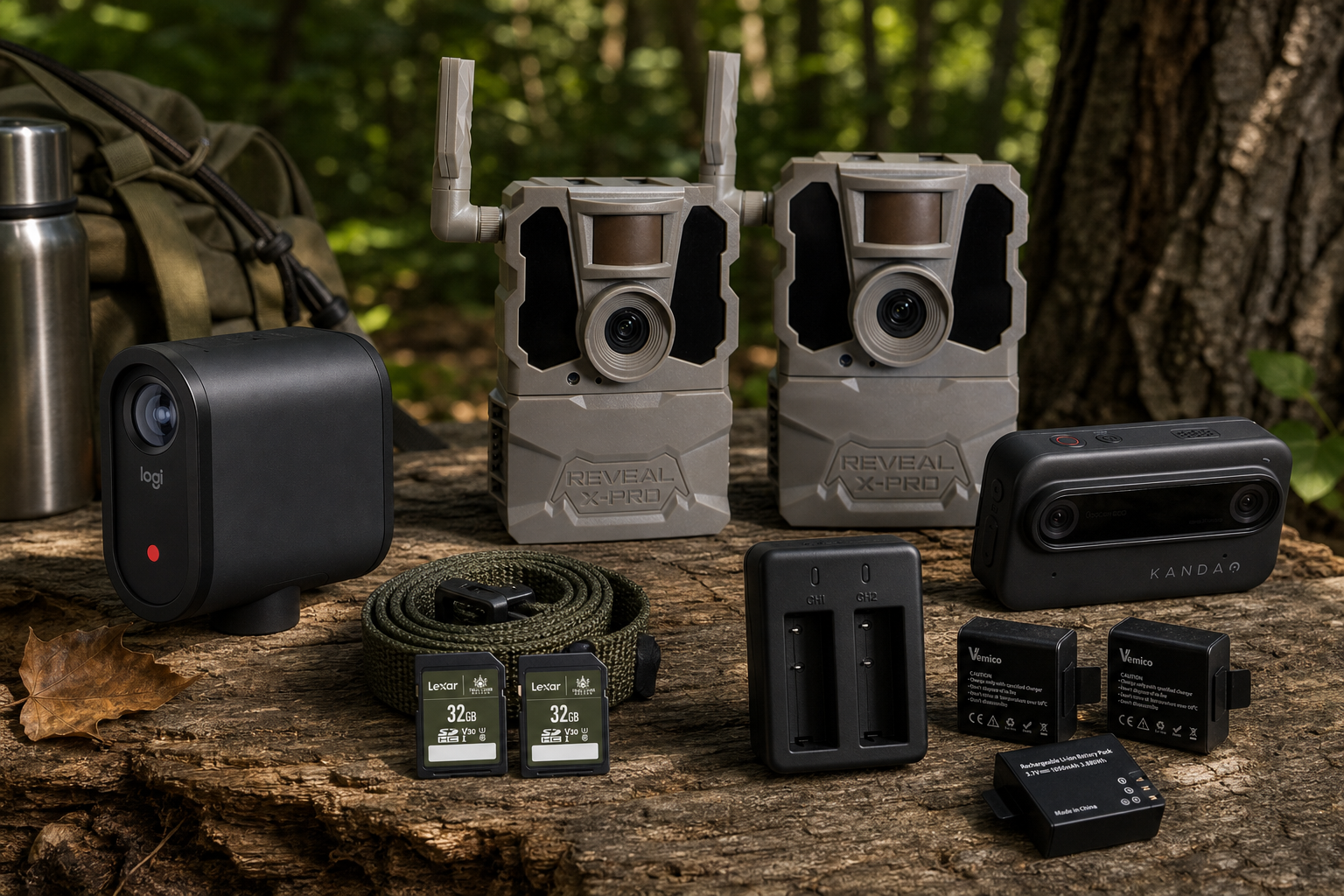
The TACTACAM Reveal X Pro Cellular Trail Camera combines both: cellular transmission and no-glow IR. That combination — remote image delivery plus an invisible flash — is what makes a camera genuinely undetectable to wildlife and useful for around-the-clock monitoring without a single site visit. The 2-pack also includes two Lexar 32GB SD cards, so you're set up out of the box.
What About Data Plans?
This is the part people forget to budget for. Cellular trail cameras require a data plan, just like your phone. Most manufacturers offer their own subscription plans, or you can use a compatible carrier SIM. The monthly cost varies by plan and how many images the camera sends — high-traffic spots send more data than low-traffic ones.
It's a real ongoing cost, and it's worth factoring in before you buy. But for serious hunters or property owners who'd otherwise be making weekly hikes, the math usually works out — and the value of undisturbed scouting data is hard to put a number on.
The TACTACAM Reveal X Pro works on both Verizon and AT&T networks, which gives you flexibility depending on which carrier has better coverage in your area. In rural hunting country, that dual-carrier compatibility matters a lot.
GPS and LCD: Two More Features Worth Noting
The Reveal X Pro also includes integrated GPS tracking and a built-in LCD screen — two features that don't always show up together at this level.
The GPS means each photo is tagged with the camera's exact location, which is useful if you're running multiple cameras across a large property and want to keep track of which unit captured what. The LCD screen lets you review settings and confirm the camera is framing correctly when you first set it up, without needing your phone nearby.
Neither of these is flashy. Both are genuinely useful in the field.
When Wi-Fi Cameras Do Make Sense
To be fair: Wi-Fi trail cameras aren't useless. If you're monitoring a spot that's close to your home or a structure with Wi-Fi — a backyard feeder, a barn, a driveway — a Wi-Fi camera can work fine and avoids the monthly data plan cost. They're also simpler to set up if you're not comfortable managing a cellular subscription.
The mistake is buying a Wi-Fi camera thinking it'll work like a cellular one. It won't. If your target location is more than a short walk from wherever you'll be checking it, cellular is the right call.
The Bottom Line
Cellular trail cameras and Wi-Fi trail cameras are not the same product with different names. They solve different problems. If you're scouting remote land, protecting a property you can't visit daily, or trying to keep human pressure off a hunting spot, only one of them actually does the job.
The TACTACAM Reveal X Pro 2-Pack — two cameras, two 32GB SD cards, no-glow IR, GPS, and dual-carrier cellular — is built specifically for that kind of serious use. Browse the full action cameras collection at Electroeshop to see what's available, and make sure you know exactly what you're buying before it goes up on a tree.
Frequently Asked Questions
Do cellular trail cameras work without cell service in the area?
No — a cellular trail camera needs a usable signal from a supported carrier (like Verizon or AT&T) to transmit images remotely. If your property is in a dead zone, the camera will still capture photos and store them on the SD card, but you won't receive them on your phone until you retrieve the card manually. Always check carrier coverage maps for your specific location before buying a cellular model.
Do I need a separate data plan for a cellular trail camera?
Yes. Cellular trail cameras transmit data over mobile networks, which requires an active data plan — either through the camera manufacturer's own subscription service or a compatible carrier SIM. The cost depends on the plan tier and how many images your camera sends per month. It's an ongoing expense to budget for, separate from the camera's purchase price.
What does 'no-glow' IR actually mean, and does it matter?
No-glow IR refers to black infrared LEDs that produce no visible light when the camera triggers at night — unlike standard trail cameras, which emit a faint red glow that deer and other animals (and people) can detect. For hunting, no-glow cameras are significantly less likely to spook game or alert trespassers to the camera's presence. If nighttime detection is important to your use case, it's worth prioritizing over standard or low-glow IR.
Can one cellular trail camera cover a large property on its own?
A single camera only covers the area within its detection range and field of view — it can't monitor an entire property by itself. For larger properties, running multiple cameras at key pinch points, trails, or food sources gives you much better coverage. That's part of why multi-packs like the TACTACAM Reveal X Pro 2-Pack are popular: you get two cameras ready to deploy across different locations without buying them separately.


