Cart
0
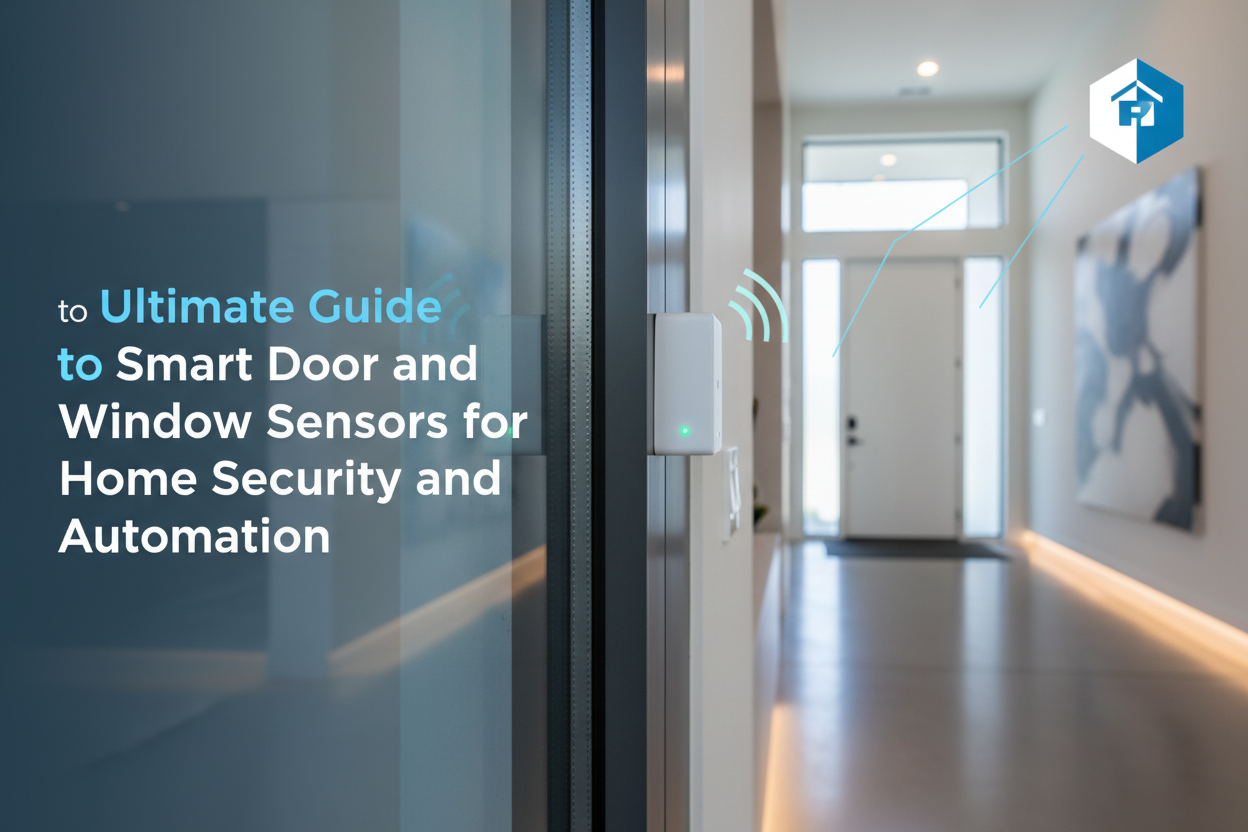
The Ultimate Guide to Smart Door and Window Sensors for Home Security and Automation
Discover how smart door and window sensors transform your home security and automation setup. From real-time alerts to energy savings, this guide covers top sensors, integration tips, and future trends to help you build a smarter, safer home.
Key takeaways
- Smart door and window sensors provide instant alerts and can automate lighting, alarms, and HVAC systems.
- Top sensors like Aqara P2, TP-Link Tapo T110, and Sekyo WiFi offer diverse connectivity and compatibility options.
- Choosing the right communication protocol (Zigbee, Thread, Wi-Fi, Matter) impacts reliability and integration.
- Motion, temperature, and humidity sensors complement door/window sensors to enhance security and energy efficiency.
- Proper installation, maintenance, and battery monitoring ensure long-term sensor performance.
Table of contents
- Introduction
- Understanding Smart Door and Window Sensors
- Top Smart Sensors
- Integrating Smart Sensors into Your Home Automation System
- Enhancing Security with Motion Sensors
- Optimizing Energy Efficiency with Temperature and Humidity Sensors
- Installation and Maintenance Tips
- Maximizing Home Security
- Extending Sensor Lifespan
- The Future of Smart Sensors
- Conclusion
- FAQ
1. Introduction
Smart door and window sensors have quickly become essential for modern home security and automation. These compact devices detect openings and closings, sending instant notifications to your smartphone. Beyond alerts, they can trigger alarms, control lighting, and optimize energy use by managing HVAC settings. Integrating smart sensors enhances your home's safety, comfort, and efficiency.
2. Understanding Smart Door and Window Sensors
Most smart sensors consist of two parts: a sensor and a magnet. When a door or window opens, the magnetic connection is broken, signaling your home automation system. This simple mechanism forms the foundation of many automated triggers and alerts.
Key Benefits
- Receive real-time alerts when entry points open unexpectedly.
- Automatically activate lights or security cameras upon detection.
- Integrate seamlessly with alarm systems for enhanced home security.
- Help optimize HVAC systems by detecting open windows for energy savings.
- Easy to install without professional assistance.
3. Top Smart Sensors
The smart sensor market offers diverse options, making selection challenging. Below are some of the best-rated smart door and window sensors, praised for compatibility, reliability, and ease of use.
3.1 Aqara Door and Window Sensor P2
- Technology: Supports Matter over Thread protocol for broad compatibility.
- Design: Compact and mounts easily on most doors and windows.
- Battery Life: Uses AAA batteries lasting over 3 years.
- Extra Features: Adjustable sensitivity and programmable button for customized automation triggers.
3.2 TP-Link Tapo T110 Door and Window Sensor
- Technology: Requires Tapo H100 hub; compatible with Google Home and Alexa.
- Battery: CR2032 coin cell battery with over one year of battery life.
- Ease of Use: Intuitive app and simple installation with adhesive strips.
- Additional Features: Built-in siren in the hub for a stronger security response.
3.3 Sekyo Smart WiFi Door & Window Sensor
- Technology: Operates directly over 2.4 GHz WiFi, no hub required.
- Compatibility: Works with Tuya Smart Life app, Alexa, Google Home, and Siri.
- Installation: Easy adhesive mounting ensures quick setup.
4. Integrating Smart Sensors into Your Home Automation System
Hub-based sensors like Aqara and TP-Link require dedicated hubs to unlock full automation capabilities, such as mesh networking and longer battery life. Conversely, WiFi sensors like Sekyo's eliminate the need for hubs but might face occasional connectivity reliability issues.
Popular Protocols
- Zigbee: Low-power mesh network widely used for smart home devices.
- Thread: Reliable, low-latency protocol ideal for responsive automation.
- Wi-Fi: Direct router connection but consumes more power.
- Matter: An emerging unified standard promoting interoperability across brands.
5. Enhancing Security with Motion Sensors
Beyond door and window sensors, motion detectors add an extra security layer by monitoring movement inside and outside your home.
Recommended Motion Sensors
- TP-Link Tapo T100: Offers a wide 120-degree detection angle with adjustable sensitivity.
- Philips Hue Outdoor Motion Sensor: Weatherproof design (IP54 rating) suitable for outdoor use.
- Aqara Motion Sensor P1: Features an expansive 170-degree detection angle and excellent battery life.
6. Optimizing Energy Efficiency with Temperature and Humidity Sensors
Complement your security setup with environment sensors that monitor temperature and humidity. These devices help tailor HVAC and ventilation responses to maintain comfort and reduce energy waste.
Top Picks
- TP-Link Tapo T310
- Aqara Temperature and Humidity Sensor
7. Installation and Maintenance Tips
To ensure accurate detection and reliable connectivity, place sensors on sturdy, flat surfaces near the edge of doors and windows. Use adhesive strips or screws as recommended. Regularly test sensor response and check battery status to avoid unexpected downtime.
8. Maximizing Home Security
Smart sensors enhance professional security systems by adding customizable alerts, integrated sirens, and tailored automation scenarios. Pair sensors with cameras, alarms, and smart lighting for a comprehensive security network that reacts instantly to potential threats.
9. Extending Sensor Lifespan
Many sensors provide battery status notifications—monitor these regularly to maintain continuous protection. Choosing products with long battery life, such as those using AAA or coin cell batteries designed to last multiple years, reduces maintenance frequency.
10. The Future of Smart Sensors
The rise of open standards like Matter and advancements in Thread connectivity promise easier integration and better device interoperability. Improvements in battery technology and smarter automation algorithms will further expand sensor functionality, making smart homes more intuitive and efficient.
11. Conclusion
Smart door and window sensors are fundamental building blocks for secure and intelligent home automation. By choosing the right sensors and integrating them thoughtfully, you can boost your home's safety, comfort, and energy efficiency. Leading brands such as Aqara, TP-Link, Philips Hue, Sekyo, YoLink, and ecobee offer diverse solutions tailored to a wide range of needs and budgets.
Explore our top sensor recommendations and start upgrading your home today with reliable, easy-to-install devices that make a meaningful difference.
FAQ
What is the difference between hub-based and hubless smart sensors?
Hub-based sensors like Aqara or TP-Link connect through a dedicated hub, which improves reliability, battery life, and mesh networking. Hubless sensors such as Sekyo’s WiFi devices connect directly to your router but may sacrifice some stability and consume more power.
How do smart sensors help save energy?
By detecting open windows or doors, sensors can trigger HVAC systems to adjust heating or cooling efforts, reducing wasted energy when outdoor air is entering your home.
Are smart door and window sensors difficult to install?
Most sensors are designed for DIY installation using adhesive strips or screws. Placement is generally straightforward, requiring alignment of sensor and magnet on the door or window frame and sash.
Can these sensors integrate with voice assistants?
Yes, many smart sensors are compatible with voice platforms such as Amazon Alexa, Google Home, and Apple Siri, allowing control and automation via voice commands.
What should I consider when choosing a smart sensor?
Consider compatibility with your existing smart home ecosystem, preferred connectivity protocol, battery life, ease of installation, and any extra features like adjustable sensitivity or integrated alarms.