Cart
0
Explore how 2025’s smart home devices and AI-driven trends are revolutionizing comfort, security, energy efficiency, and wellness—empowering you to live smarter and greener.
The Best Smart Home Devices and Trends for 2025: Your Ultimate Guide to AI-Powered Living
Key Takeaways
- AI automation anticipates your needs to streamline everyday tasks and save energy.
- Matter standard ensures seamless interoperability across devices and platforms.
- Energy-efficient solutions reduce bills while promoting sustainability, from thermostats to smart plugs.
- Advanced security uses UWB, AI, and edge computing for privacy-focused home protection.
- Wellness tech supports air quality, sleep health, and fitness in your smart home.
- Smart kitchens and outdoor devices deliver convenience and enhanced living beyond walls.
- Centralized smart hubs unify your ecosystem with local processing and broad protocol support.
Table of Contents
- 1. AI Automation and Predictive Features
- 2. Matter Standard and Interoperability
- 3. Energy Efficiency and Smarter Consumption
- 4. Smart Locks, UWB, and Privacy-First Security
- 5. Air Quality, Wellness, and Health Monitoring
- 6. Smart Kitchen Technology
- 7. Outdoor Smart Devices
- 8. Smart Home Hubs
- 9. Future Outlook and Smart Home Shopping Tips
- FAQ
1. AI Automation and Predictive Features: Smarter Homes That Understand You
In 2025, smart homes transcend reactive responses. Advanced AI learns your habits, preferences, and environmental conditions to automate daily tasks effortlessly, improving comfort and reducing energy consumption.
Key examples include:
- Adaptive Lighting and Climate Control: Devices like the Ecobee Smart Thermostat Premium customize temperature settings based on occupancy and weather, balancing comfort and efficiency.
- Scheduled Appliance Operation: AI runs washers or dryers during off-peak electricity hours, automatically lowering bills without manual intervention.
- Voice-Enabled Commands: Virtual assistants such as Alexa, Google Assistant, and Siri serve as unified control centers, from delaying coffee brews to managing electric vehicle charging timing.
“AI enables a smoother, more intuitive home experience—freeing you from the small stuff while lowering energy use.”
2. Matter Standard and Interoperability: Simplifying Connections Across Devices
The Matter standard solves a long-standing challenge: incompatible devices from different brands. Now, ecosystems on Apple HomeKit, Google Assistant, Amazon Alexa, and more work harmoniously together.
- Devices across categories—smart TVs, locks, thermostats, lights—connect seamlessly under unified apps or hubs.
- Upgrading or expanding your setup becomes effortless, with low risk of compatibility issues.
- Examples like controlling Philips Hue lights, Ultraloq smart locks, and Ecobee thermostats simultaneously highlight this new harmony.
3. Energy Efficiency: Smarter Consumption for a Greener Planet
Energy efficiency is a key expectation, not an option. Smart devices work together to reduce waste while maintaining lifestyle quality.
- AI-Driven Thermostats: The Google Nest and Ecobee adjust heating and cooling dynamically, cutting bills by up to 23%, or around $1,200 per year.
- Smart Plugs and Strips: Models like TP-Link’s Kasa KP125M and HS300 detect and shut off idle devices, eliminating “vampire” energy drains.
- Solar and Battery Integration: Intelligent systems optimize solar panel use and battery storage based on real-time data.
- Scheduled Appliances: Smart laundry machines automatically run during off-peak hours for maximum savings.
4. Smart Locks, UWB, and Privacy-First Security: Peace of Mind Through Precision
Security evolves with AI-powered accuracy, Ultra-Wideband proximity, and edge-computing privacy safeguards.
- UWB Unlocking: The Ultraloq Bolt Fingerprint lock uses your phone's location—no keys or codes needed.
- Multiple Access Modes: Entry via keypad, fingerprint, or mobile app adapts to household needs.
- Smart Cameras with On-Device AI: The Aqara Camera Hub G5 Pro and Arlo Video Doorbell recognize people and objects, minimizing false alerts and protecting privacy.
- Edge Computing: Data remains encrypted locally, enhancing security without compromising convenience.
- Monitoring Options: Choose between DIY setups like SimpliSafe or professional monitoring from ADT and Vivint.
5. Air Quality, Wellness, and Health Monitoring: Smart Homes That Support You
Health and wellness are integral to modern smart homes, from improving air quality to supporting restful sleep.
- Air Quality Monitors and Purifiers: Dyson’s Big+Quiet Formaldehyde BP03 uses HEPA filtration and voice control for clean, quiet environments.
- Circadian Lighting Systems: Philips Hue Iris lamps adjust light temperatures to enhance natural rhythms.
- Intelligent Sleep Tech: Smart beds from Sleep Number and Eight Sleep track vitals and automatically adjust firmness and temperature.
- Smart Fitness Tools: AI mirrors and connected scales like Etekcity HR Smart Fitness Scale promote proactive health management.
- Advanced Baby Monitors: The Nanit Pro Complete provides detailed sleep and breathing analytics for parents seeking peace of mind.
6. Smart Kitchen Technology: Cooking Smarter, Eating Better
The kitchen has become a hub for AI and automation, easing meal prep and cleanup.
- Multi-Mode Smart Ovens: The Tovala Smart Oven scans QR codes and app-controls cooking for perfect results without babysitting.
- Voice-Ready Coffee Makers: Brands like Hamilton Beach and xBloom Studio sync with assistants for ideal brews anytime.
- Interactive Displays: Amazon Echo Show 8 guides recipes, manages timers, and controls compatible devices like a digital sous chef.
- Robot Cleaners: The TP-Link Tapo RV30 Max Plus and Ecovacs Deebot X8 Pro Omni vacuum and mop autonomously, including self-emptying features.
- Smart Waste Solutions: Simplehuman’s Dual-Compartment Sensor Can opens hands-free and manages trash and recycling efficiently.
7. Outdoor Smart Devices: Intelligent Living Beyond the Front Door
Outdoor living spaces are enhanced with smart audio, grilling, lawn care, and security tech that integrates seamlessly with your home.
- Weatherproof Sound Systems: Sonos Move 2 delivers clear, rich audio with voice and app control.
- AI-Powered Grills: Traeger Ironwood 650 and Brisk It Origin 940 provide smart temp control and cooking guidance.
- Robotic Lawn Mowers: The Segway Navimow X390 and Husqvarna Automower 435X AWD mow autonomously and respond to voice commands.
- Smart Ambiance and Pest Control: Outdoor lighting from Govee and repellents like Thermacell LIV enhance comfort.
- Security & Automation: Outdoor cameras recognize familiar faces and pets; smart plugs like TP-Link Kasa EP40A manage garden tools and lights.
8. Smart Home Hubs: Centralized Control with Advanced Intelligence
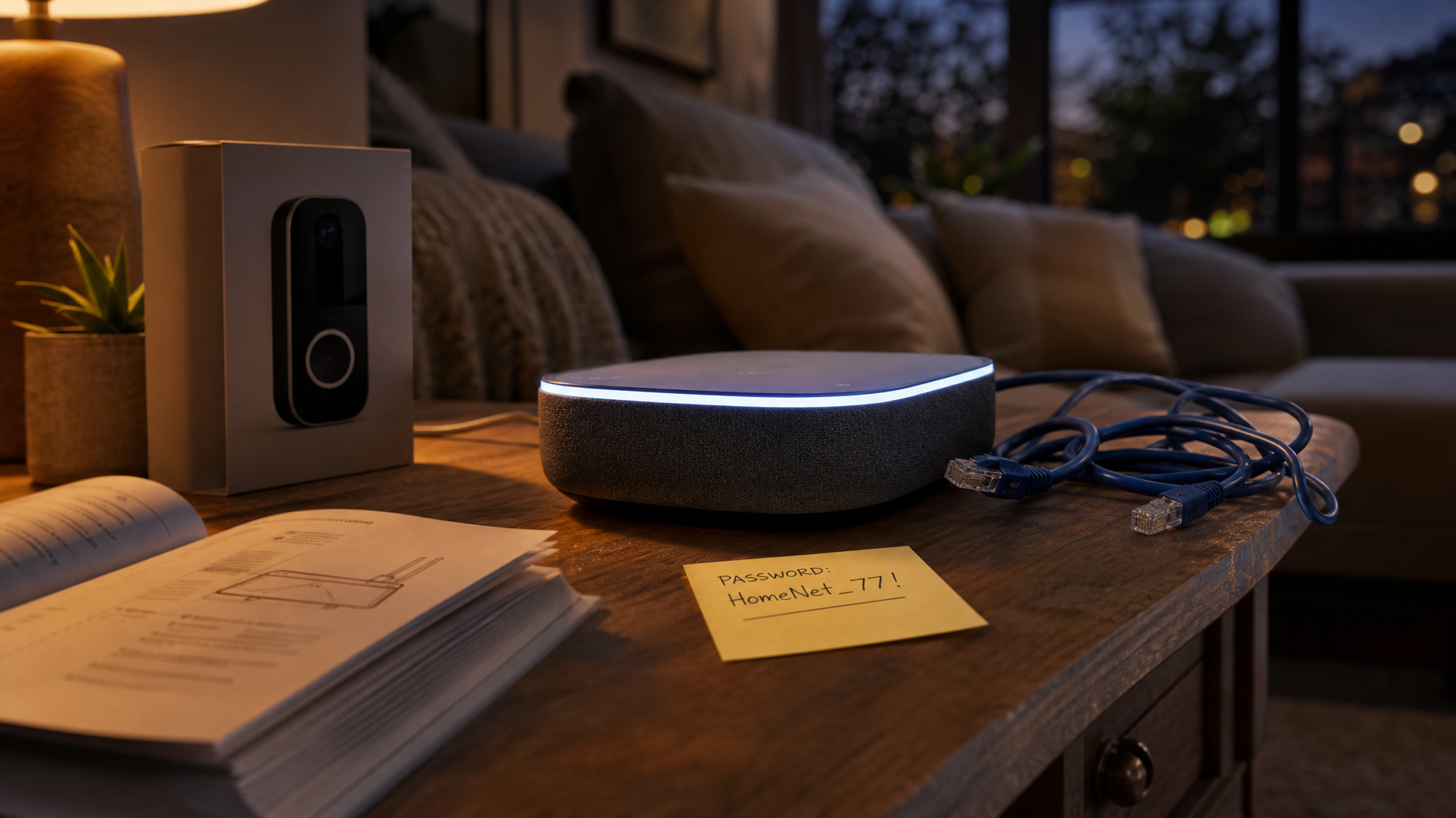
Smart hubs remain vital as the brain of connected homes, simplifying device management and enhancing privacy through local processing.
- Unified Control: Manage lighting, security, appliances, and more across brands with ease.
- Edge Computing: Many hubs process commands locally for fast, secure operation without relying on the cloud.
- Next-Gen Features: Some hubs coordinate robot vacuums and provide emerging technologies like early holographic displays.
- Multi-Protocol Support: Support for Matter, Thread, Zigbee, and others future-proofs your smart home.
For example, the Aqara Camera Hub G5 Pro integrates multiple functionalities, accelerating your smart home management.
Celebrate the season with savings — get 5% off your order using code EXCLUSIVE5 at checkout
9. Future Outlook: Ready Your Home for What’s Next
By 2030, an estimated 75 billion IoT devices will shape connected living. Staying ahead means embracing AI maturity, sustainability, and seamless interoperability.
Smart home shoppers should:
- Choose predictive AI-enabled devices that adapt to your lifestyle.
- Look for Matter certification to ensure smooth future integration.
- Prioritize security with local-processing cameras and biometric locks.
- Invest in wellness tech for health monitoring and air quality.
- Extend smart features outdoors for enhanced convenience and entertainment.
Aligning your home with these trends guarantees a future-ready, comfortable, and secure environment.
Ready to upgrade your home? Explore the latest expert picks at Electroeshop’s curated smart home collection and start building your connected future today.
FAQ
What is the Matter standard and why is it important?
Matter is a universal connectivity standard that allows smart home devices from different brands to work together seamlessly, reducing compatibility issues and simplifying device management.
How does AI improve energy efficiency in smart homes?
AI analyzes your routines, environmental conditions, and energy pricing to automate heating, cooling, and appliance use—minimizing waste and lowering your utility bills.
Are smart home security devices safe for privacy?
Many 2025 devices process data locally using edge computing, ensuring sensitive information like video footage remains encrypted and private without relying heavily on cloud services.
Can I control all my smart devices from one place?
Yes. With the Matter standard and smart home hubs supporting multiple protocols, you can unify control of lighting, security, appliances, and outdoor devices through a single app or hub.
What are the benefits of smart health and wellness devices?
These devices monitor air quality, sleep, fitness, and even baby health, providing personalized insights that help improve your well-being and create a more restorative home environment.