Cart
0
The Definitive Guide to Smart Home Sensors: Enhancing Safety, Security, and Energy Efficiency
Discover how smart home sensors transform your living space by boosting safety, fortifying security, optimizing energy use, and improving overall well-being through intelligent automation.
Key Takeaways
- Smart home sensors detect a variety of environmental factors including motion, smoke, leaks, air quality, temperature, and light to foster safety and convenience.
- Integration with smart hubs enables automation such as shutting off water valves or adjusting heating based on sensor inputs.
- Choosing sensors compatible with your ecosystem’s protocols like Zigbee, Z-Wave, or Matter is essential for seamless operation.
- Proper installation placement and routine maintenance maximize sensor effectiveness and longevity.
- Emerging technologies like AI-driven sensor intelligence and unified standards like Matter promise smarter and more interoperable homes.
Table of Contents
- 1. Discovery of Smart Home Sensors
- 2. What Exactly Are Smart Home Sensors and Why Should You Care?
- 3. The Array of Smart Home Sensors at Your Disposal
- 4. Technological Framework Underpinning Smart Home Sensors
- 5. Optimization of Smart Home Sensors for Maximum Utility
- 6. Real-World Utilization: Transforming Your Home into a Safe and Smart Haven
- 7. Picking the Right Set of Smart Home Sensors: Proven Guidance for Consumers
- 8. The Future of Smart Home Sensors: Unfolding Trends and Innovations
- 9. Summation: Crafting a Smarter, Safer Abode with Smart Sensors
- FAQ
1. Discovery of Smart Home Sensors
Smart home sensors are rapidly transforming how homeowners manage and protect their living environments. These sophisticated devices detect environmental changes in real time, enabling smarter automation and informed reactions that enhance safety, security, and energy efficiency. By detecting everything from smoke and motion to water leaks and air quality fluctuations, smart sensors empower users to monitor and control their homes more proactively than ever before. In this guide, we explore the sensor types available, their functionalities, and best practices for their integration into your smart home for an intelligent, secure, and eco-conscious living space.
2. What Exactly Are Smart Home Sensors and Why Should You Care?
At their core, smart home sensors are electronic devices that detect specific environmental factors and respond by sending notifications or triggering automated tasks. They can monitor conditions like temperature, motion, air quality, water leaks, and carbon monoxide levels. When connected with smart hubs and compatible devices, these sensors unlock automation possibilities such as automatically shutting off water in case of leaks or adjusting your heating based on occupancy.
Significance of Smart Home Sensors:
- Safety: Early detection of hazards like smoke, CO, and water damage prevents accidents and costly repairs.
- Security: Motion and contact sensors alert you to potential intrusions to protect your family and possessions.
- Energy Efficiency: Sensors optimize heating, cooling, and lighting based on real-time conditions, reducing utility bills.
- Well-being: Air quality sensors monitor pollutants and humidity to maintain a healthy indoor environment.
Together, these advantages shield your home, promote sustainability, and elevate your lifestyle.
3. The Array of Smart Home Sensors at Your Disposal
3.1 Motion Sensors
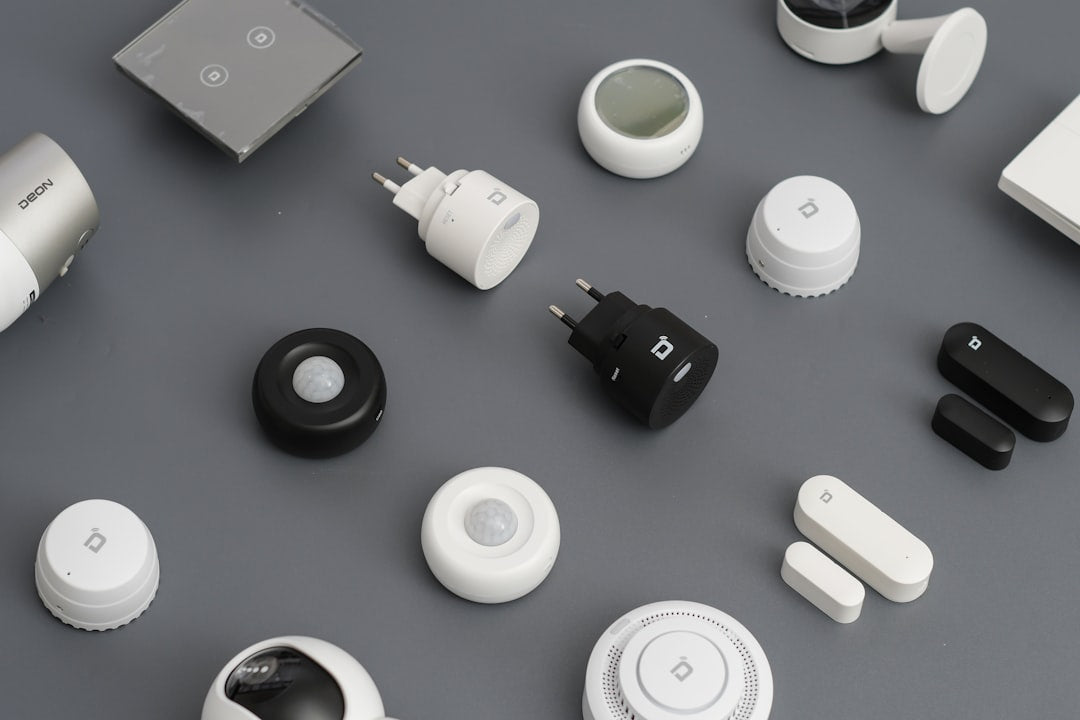
Using infrared or ultrasonic technology, motion sensors detect movement within their range. Primarily used for security, they can also automate lighting and climate control based on occupancy.
- Detection Techniques: Infrared sensors detect heat signatures, while ultrasonic sensors measure distance changes to identify motion.
- Applications: Security alarms, lighting automation, climate control.
3.2 Smoke and Carbon Monoxide Detectors
Beyond traditional alarms, smart detectors send instant alerts to your mobile devices and integrate with other systems (like smart lights) to enhance emergency response.
- Special Features: Some models distinguish false alarms from real emergencies.
- Examples: Google Nest Protect, First Alert, Roost Wi-Fi detectors.
3.3 Water Leak and Freeze Sensors
Placed near potential leak sources such as water heaters and sinks, these sensors detect moisture early, preventing major water damage. Freeze sensors alert to temperature drops that could cause pipe bursts.
- Enhanced Integration: Some link with smart water valves (e.g., Flo by Moen, Fibaro) to shut off supply automatically.
- Utilization: Early warnings reduce repair costs and damage.
3.4 Air Quality Sensors
Monitoring VOCs, particulate matter, CO2, and humidity, these sensors help sustain healthy indoor air and optimize HVAC system performance.
- Brands: Eve, Awair, Netatmo.
- Perks: Allergy reduction, mold prevention, increased indoor comfort.
3.5 Temperature and Freeze Sensors
Providing precise temperature data and freeze alerts, these sensors are vital in colder climates to protect plumbing and assist HVAC systems.
- Collaboration: Work with smart thermostats and HVAC to maintain optimal climate.
- Preferred Options: Roost, Honeywell, Ring.
3.6 Light Sensors
These sensors monitor sunlight and artificial light levels, enabling automatic adjustments to lighting systems for energy savings and security.
- Advantages: Prevent unnecessary energy consumption.
- Smart Bulbs: Create occupancy illusions for deterring intruders when away.
3.7 Door and Window Contact Sensors
Using magnetic switches, these detect entry point statuses and are crucial for intrusion alerts and automation like heating adjustments.
4. Technological Framework Underpinning Smart Home Sensors
Smart sensors combine various detection technologies and wireless communication protocols enabling interoperability with smart hubs.
Detection Approaches
- Infrared: Heat detection, common in motion sensors.
- Ultrasonic: Sound wave distance measurements to detect presence or motion.
- Magnetic Switches: Detect open/closed state of doors and windows.
Communication Frameworks
- Wi-Fi: Direct internet access but may limit device integration.
- Zigbee: 2.4 GHz mesh networking for low power and reliable coverage.
- Z-Wave: Sub-GHz frequencies for superior penetration and energy use.
- Matter: Emerging open standard aiming to unify smart home connectivity.
Choosing sensors that align with your ecosystem’s protocol reduces connectivity issues and ensures seamless automation.
5. Optimization of Smart Home Sensors for Maximum Utility
Effective sensor use involves careful selection, strategic installation, and configuring automation within smart home hubs.
Optimal Smart Home Hubs and Infrastructure
- Popular hubs include Amazon Alexa, Google Home, Apple HomeKit, Samsung SmartThings, Hubitat Elevation, and Vesternet Homeix.
- Unified protocols in your setup allow for automated routines such as shutting off water upon leak alert or adjusting climate based on occupancy.
Considerations During Implementation and Placement
- Place leak sensors near water sources; freeze sensors in draft-prone areas.
- Install motion sensors covering entries and common spaces.
- Mount smoke and CO detectors high on walls or ceilings.
- Position air quality sensors in living areas for representative readings.
Maintenance and Software Patch Application
- Replace batteries proactively to prevent downtime.
- Keep sensor software updated to improve security and functionality.
- Test sensors regularly to confirm proper operation.
- Follow manufacturer cleaning and troubleshooting guidelines.
6. Real-World Utilization: Transforming Your Home into a Safe and Smart Haven
Leak Detection and Mitigation of Water Related Mishaps
Water leaks, often hidden, can cause significant damage. Leak sensors provide instant alerts, enabling you to act before costs mount.
- Automation: Integration with smart water valves automatically stops leaks.
- Notifications: Frequent alerts near water heaters signal potential maintenance needs.
Enhanced Security of Residential Spaces
Combining motion sensors, contact sensors, and video doorbells improves intrusion detection and provides real-time remote monitoring.
- Examples: Exterior floodlights with motion detection paired with cameras from Ring, Aqara, Hue.
- Remote Oversight: Instant alerts and video feeds offer peace of mind anywhere.
Upholding Fire and Carbon Monoxide Safety
Smart smoke and CO detectors surpass conventional ones with features like smartphone alerts, false alarm differentiation, and triggering emergency systems.
- They can autonomously notify emergency services or unlock doors to aid escape.
Efficient Management of Energy Resources
Temperature, light, and motion sensors support energy conservation by adapting climate control and lighting strictly where needed.
- Smart thermostats adjust heat/cool settings dynamically.
- Lights activate only in occupied rooms or simulate presence while away.
- Resulting automation cuts energy bills and promotes sustainability.
Improving Overall Health and Well-being
Air quality sensors track pollutants and humidity, helping prevent mold growth and respiratory issues. When integrated with HVAC, they enable better air circulation and comfort.
7. Picking the Right Set of Smart Home Sensors: Proven Guidance for Consumers
- Compatibility: Verify sensor support for your hub’s protocol (Zigbee, Z-Wave, Matter). Avoid isolated Wi-Fi-only devices.
- Ecosystem Harmony: Choose brands with complementary devices to simplify management.
- Installation: Decide between DIY kits for straightforward deployment or professional help especially for water valve controls.
- Coverage: Select sensor types and placements tailored to your home’s layout and vulnerabilities.
- Maintenance: Consider battery life and update procedures.
- Future-Proofing: Prefer sensors supporting emerging protocols like Matter for seamless upgrades.
8. The Future of Smart Home Sensors: Unfolding Trends and Innovations
- Reducing False Alarms: AI-enhanced sensors are becoming adept at distinguishing real threats from nuisances.
- Widespread Matter Adoption: This standard aims to unify protocols for hassle-free device interoperability.
- AI & Machine Learning: Predictive models anticipate your home's needs, offering smarter automation and preemptive alerts.
- Expanded Sensor Types: New sensors will likely monitor structural health, ambient noise, or even emotional environment factors.
Keeping pace with these advances will help homeowners enhance their smart home experience.
9. Summation: Crafting a Smarter, Safer Abode with Smart Sensors
Smart home sensors are indispensable pillars of modern home safety, security, comfort, and efficiency. Thoughtful selection, compatibility assurance, strategic placement, and diligent upkeep create a responsive, reliable smart home ecosystem.
From preventing water damage with leak sensors to enhancing security through motion detection and ensuring healthy air quality, these technologies provide vital benefits. Paired with dynamic hubs and automation, they foster a proactive home environment, reducing risks and making daily living easier and safer.
Embark on your journey toward an intelligent, secure, and eco-friendly home today. Explore Electroeshop’s extensive collection of premium smart sensors designed for reliable, seamless integration and a smarter living experience.
FAQ
What types of smart home sensors should I install first?
Begin with sensors that address your home’s most critical needs. Smoke and carbon monoxide detectors are highly recommended for safety, followed by water leak sensors to prevent costly damage. Motion and contact sensors enhance security, while temperature and air quality sensors contribute to comfort and efficiency.
How do I ensure compatibility between sensors and my smart home system?
Check which wireless protocols your smart home hub supports, such as Zigbee, Z-Wave, or Matter. Choose sensors that operate on these protocols for seamless integration. Avoid standalone Wi-Fi sensors unless they explicitly support your hub or ecosystem.
Can I install smart sensors myself or should I hire a professional?
Many smart sensors come in easy-to-install DIY kits suitable for homeowners. However, for complex setups — especially involving water shutoff valves or extensive integrations — professional installation can ensure reliability and safety.
How often should I maintain and update smart sensors?
Battery-powered sensors should have batteries replaced proactively before depletion. Software and firmware updates should be applied as soon as they become available to keep devices secure and functional. Regularly test sensor performance and clean devices as recommended by manufacturers.
What advances can we expect in smart home sensors soon?
Look forward to greater adoption of the Matter standard enabling increased device interoperability, AI-powered sensors that reduce false alarms and predict issues, and new sensor types monitoring structural health or emotional well-being, making homes smarter and more responsive than ever.