Cart
0

Smart living is now accessible to everyone. Discover how affordable devices can transform your home into a connected, efficient sanctuary without breaking the bank.
Affordable Smart Home Devices: How to Build a Budget-Friendly Smart Home
Key Takeaways
- Start smart home automation affordably with smart plugs and bulbs
- Budget thermostats can reduce energy bills with remote controls and scheduling
- Security cameras and sensors offer peace of mind without hefty investments
- Choosing a unified ecosystem like Alexa, Google, or HomeKit simplifies management
- DIY platforms such as Home Assistant offer customization and privacy for tech-savvy users
- Smart shopping strategies and leveraging existing devices help maximize value
Table of Contents
- Introduction to Affordable Smart Home Devices
- 1. Budget Smart Plugs: Simple and Inexpensive Automation
- 2. Budget Thermostats: Comfort and Control Without High Costs
- 3. Budget Smart Lighting: Stylish, Smart Illumination That Saves Energy
- 4. Budget Smart Security Cameras and Doorbells: Safety That Doesn’t Break the Bank
- 5. Smart Sensors: Affordable Enhancements for Safety and Automation
- 6. Building a Smart Home Ecosystem: Why Compatibility Counts
- 7. DIY Smart Home Kits and Home Assistant: For the Tinkerer
- 8. Leveraging Existing Devices: Upgrade Without Replacing
- 9. How to Find the Best Deals on Smart Home Devices
- 10. Security and Privacy: Protecting Your Data on a Budget
- Conclusion: Build a Budget-Friendly Smart Home with Confidence
Introduction to Affordable Smart Home Devices
Smart home technology isn’t reserved for luxury anymore. Thanks to a variety of affordable devices, you can automate lighting, enhance security, and save energy—all while staying on a budget. Whether you want voice-controlled lights, remote home monitoring, or smarter temperature management, this guide highlights cost-effective options so you can start small, expand easily, and get the most value for your money.
1. Budget Smart Plugs: Simple and Inexpensive Automation
Smart plugs are the easiest way to get started with home automation. These compact adapters let you control regular appliances via your smartphone or voice assistant. No rewiring or tech skills needed.
- Affordable: Typically cost between $10-$25.
- Energy tracking: Some models monitor electricity use.
- Scheduling: Automate device on/off times to fit your routine.
- Voice compatibility: Works with Alexa, Google Assistant, or Apple HomeKit.
Top picks include the TP-Link Kasa Smart Wi-Fi Plug Mini (~$15), the Wyze Plug (~$10), and the Amazon Smart Plug ($24.99). These are reliable, easy to set up, and highly rated.
Celebrate the season with savings — get 5% off your order using code EXCLUSIVE5 at checkout
2. Budget Thermostats: Comfort and Control Without High Costs
Smart thermostats do more than convenience—they help control energy consumption and lower your utility bills through automation and remote control.
- Lower energy costs: Automate heating and cooling schedules.
- Remote access: Adjust temperature from anywhere via an app.
- Ecosystem compatibility: Sync with other smart devices.
Recommended models include the Wyze Thermostat (~$70) for essential features, the Google Nest Thermostat (~$119) for seamless Google integration, and the upcoming privacy-focused Eve Thermostat ($129.95).
3. Budget Smart Lighting: Stylish, Smart Illumination That Saves Energy
Smart lighting enhances ambiance and efficiency. Affordable bulbs allow you to control brightness, color, and schedules without complex installs.
- Remote dimming and control via apps and voice assistants.
- Color choices to set the perfect mood.
- Automation with schedule and motion sensors.
- Ecosystem compatibility with Alexa, Google, and HomeKit.
Top budget options include Wyze Bulbs (~$10 each), TP-Link Kasa Smart Bulbs, and premium yet affordable options like LIFX SuperColor bulbs ($49.99 for two) or Philips Hue White and Color Ambiance bulbs (~$49.99 each).
"Automating lights to turn off during daylight or unoccupied times can lead to meaningful energy savings."
4. Budget Smart Security Cameras and Doorbells: Safety That Doesn’t Break the Bank
Modern budget-friendly security devices provide essential protection, including HD video, motion alerts, and two-way audio, without complicated installation or monthly fees.
- Clear 1080p video quality.
- Motion detection and notifications.
- Night vision to monitor after dark.
- Two-way audio for real-time communication.
Recommended products include the Wyze Cam V2 ($19.99), Blink Mini ($35), and budget doorbells like the Wyze Video Doorbell (~$60) and Blink Video Doorbell (~$50).
5. Smart Sensors: Affordable Enhancements for Safety and Automation
Smart sensors detect hidden issues and enable automation that raises home safety and convenience.
- Door/window sensors: Alert you if entrances open unexpectedly.
- Water leak sensors: Warn at first sign of leaks to prevent damage.
- Motion sensors: Trigger lights or alarms on detected movement.
Affordable kits like the Wyze Sensor Kits (~$20 and up) are easy to install and provide reliable alerts. Third-party sensors compatible with TP-Link and Home Assistant add flexibility.
6. Building a Smart Home Ecosystem: Why Compatibility Counts
A unified smart home ecosystem streamlines control and maximizes the value of your devices. Choosing compatible products ensures smooth integration, easier automation, and scalability.
- Amazon Alexa: Wide device compatibility; Echo Dot (~$50) is budget-friendly.
- Google Assistant: Excels with Nest products and many brands.
- Apple HomeKit: Known for privacy and deep Apple device integration.
Benefits include centralized control, cross-device automation, and easier upgrades. Support for Matter-enabled devices also reduces platform lock-in.
7. DIY Smart Home Kits and Home Assistant: For the Tinkerer
If you enjoy customizing and controlling every element, DIY systems like Home Assistant offer powerful, subscription-free smart home control.
- Avoid expensive subscriptions and ecosystem lock-in.
- Create custom automation tailored to your lifestyle.
- Supports many low-cost devices using Wi-Fi, Zigbee, and Z-Wave.
- Local control increases privacy and responsiveness.
- A vibrant, helpful user community continually improves capabilities.
Recent innovations featured at CES 2026 include MQTT integrations and PILA battery-compatible devices, making DIY smart home building easier and more reliable than ever.
8. Leveraging Existing Devices: Upgrade Without Replacing
You don't have to start from zero—add smart capabilities to the devices you already own.
- Add a Chromecast or Fire Stick to convert a regular TV to smart.
- Use smart plugs to remotely control existing heaters, lamps, and fans.
- Swap traditional bulbs for smart bulbs—no wiring changes required.
These simple upgrades often unlock smart features at a fraction of the cost of new devices.
9. How to Find the Best Deals on Smart Home Devices
To make your budget go further, consider these shopping strategies:
- Look for bundles and starter kits that offer savings compared to individual purchases.
- Shop major sales such as Prime Day, Black Friday, and seasonal promotions.
- Consider certified refurbished products for reliability at reduced prices.
- Use price trackers and alerts to catch discounts when they happen.
Smart buying habits are key to an affordable connected home.
10. Security and Privacy: Protecting Your Data on a Budget
Affordable doesn't mean insecure. Follow these best practices to keep your smart home safe:
- Choose devices with end-to-end encryption for secure communications.
- Favor local control products like Eve Thermostat or Home Assistant to reduce cloud dependencies.
- Regularly update firmware to patch vulnerabilities.
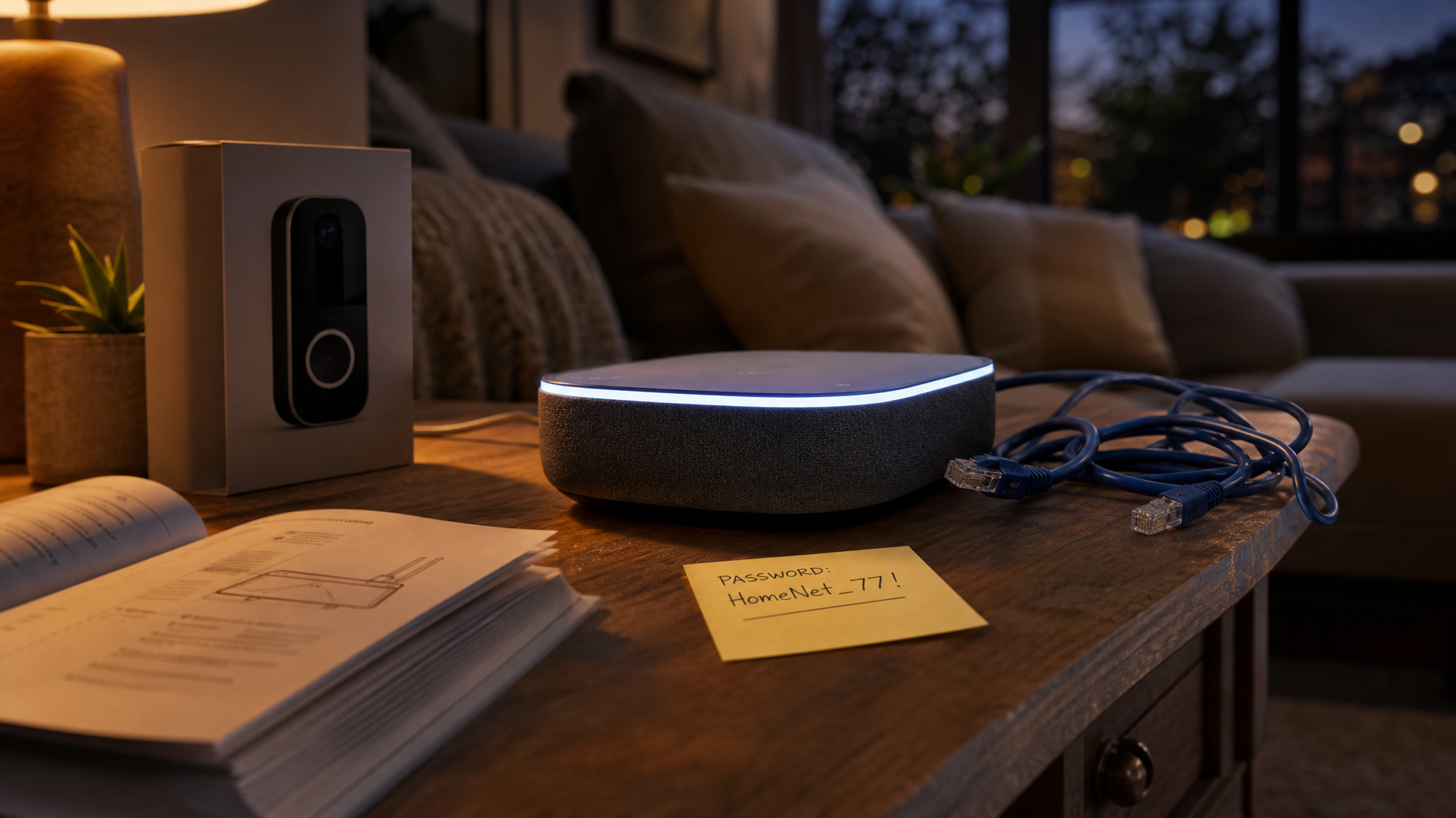
- Use strong, unique passwords for every device and app.
- Consider network segmentation by isolating smart devices on a separate Wi-Fi from personal computers.
Good habits ensure privacy and protection without additional costs or subscriptions.
Conclusion: Build a Budget-Friendly Smart Home with Confidence
Smart home technology is more accessible and affordable than ever. By starting with essentials like smart plugs and bulbs, adding budget thermostats and security devices, and choosing compatible ecosystems, you can easily create a connected home tuned to your lifestyle.
For tech enthusiasts, platforms like Home Assistant deepen customization and privacy. Always prioritize security and shop smartly to get the best deals. With a bit of planning and smart choices, your budget-friendly smart home is within reach.
Explore top picks and expert guidance at Electroeshop’s smart home collection to get started today.
FAQ
Q: What is the easiest device to start with for a smart home on a budget?
A: Smart plugs are the simplest and most affordable starting point. They require no rewiring and let you automate and remotely control existing appliances immediately.
Q: Can I save money by DIY smart home automation?
A: Yes! Platforms like Home Assistant allow you to customize your smart home without monthly fees and often work well with budget devices, offering strong privacy and control.
Q: Are budget smart security cameras reliable?
A: Many affordable cameras like the Wyze Cam V2 and Blink Mini provide good HD video, motion alerts, and night vision for basic home security needs at a low cost.
Q: How important is ecosystem compatibility?
A: Very important. Choosing devices that work together in a single ecosystem (Alexa, Google, or HomeKit) simplifies control, automation, and future expansion.
Q: What should I do to keep my smart home secure on a budget?
A: Use devices with encryption, enable local control when possible, update firmware regularly, use strong passwords, and isolate smart devices on a separate Wi-Fi network.