Cart
0
Energy Saving Technologies in Electronics and Homes: Practical Ways to Cut Costs and Reduce Waste
Energy-saving technologies offer practical solutions to reduce standby power waste, lower utility bills, and support environmental sustainability. By integrating advanced low-power electronics and smart home devices, consumers can take control over their energy consumption and contribute to a greener future.
Key Takeaways
- Standby power is a significant hidden energy drain, accounting for about 10% of household electricity use in the U.S.
- Innovations in low-power integrated circuits, like those from Analog Devices, drastically reduce energy consumption in devices.
- Smart home products such as smart plugs, thermostats, and lighting can automate energy savings and reduce waste effectively.
- Real-time energy monitoring empowers consumers to identify and manage high consumption devices.
- Government regulations and standards play a crucial role in promoting energy-efficient electronics globally.
- LED lighting combined with smart controls offers substantial energy and cost savings without compromising ambiance.
Table of Contents
- 1. Standby Power Waste: The Hidden Drain on Your Electricity Bill
- 2. Low-Power Integrated Circuits: The Tech Behind Energy Efficiency
- 3. Smart Home Devices for Energy Efficiency and Control
- 4. Real-Time Energy Monitoring: Insight is Power
- 5. Energy Efficiency Beyond the Home: Standards and Policy
- 6. LEDs and Lighting: Cut Energy Use While Brightening Your Home
- 7. The Role of Green Technology in Electronic Product Design
- 8. Practical Tips for Consumers to Save Energy Today
- Conclusion: Making Energy Efficiency Work for You
1. Standby Power Waste: The Hidden Drain on Your Electricity Bill
What is standby power? Standby power is the electricity consumed by devices even when they appear to be “off.” These devices—such as TVs, game consoles, smart speakers, and cable boxes—continue drawing energy while in sleep mode, creating a silent but costly drain.
Why does it matter?
- Standby power accounts for approximately 10% of household electricity use in the U.S.
- On average, it costs U.S. households about $100 annually.
- A single cable box, for example, can consume 79 watts on standby—nearly as much as when fully powered—potentially adding $19.30 to your monthly bill.
- Nationwide, this results in $28.3 billion of wasted energy each year.
The environmental toll
Standby power contributes roughly 2% of overall electricity consumption and about 1% of carbon emissions in OECD countries. Without action, this waste continues to strain resources and exacerbate climate change.
2. Low-Power Integrated Circuits: The Tech Behind Energy Efficiency
Energy efficiency is increasingly designed into electronics at the circuit level. Companies like Analog Devices Inc. (ADI) develop ultra-low-power integrated circuits (ICs) that reduce both active and standby energy demands.
Key features of ADI’s low-power ICs include:
- Startup currents as low as 45 microamperes, with standby levels reaching nanoamperes.
- Smart power management controllers like pulse-width modulators (PWM) to deliver only necessary energy.
- Longer battery life as devices run cooler and require less frequent charging.
- Reduction of phantom loads in always-on devices such as chargers and smart hubs.
For example, the MAX5052 PWM controller by ADI uses just 1.4mA in active operation and significantly less in standby—ideal for energy-efficient power supplies and low-power applications.
"Innovations like these pave the way for smarter, energy-conscious ecosystems that help reduce waste starting at the semiconductor level."
3. Smart Home Devices for Energy Efficiency and Control
Smart home technologies transform energy saving from a chore into an effortless part of daily life. By automating and monitoring energy use, these devices let homeowners save money and reduce waste without sacrificing comfort.
Smart Devices That Make a Difference
- Smart Plugs: Devices like the TP-Link Kasa Smart Wi-Fi Plug Slim monitor and control appliance energy draw, allowing remote shutdown and schedule automation to eliminate standby losses.
- Smart Thermostats: Models such as Ecobee’s Smart Thermostat use occupancy sensors and AI-driven scheduling to optimize heating and cooling, cutting energy use by up to 26%.
- Smart Dimmers and Lighting: Products like the TP-Link Kasa HS220 Smart Dimmer adjust brightness and automate lighting, especially when paired with LED bulbs, reducing lighting energy consumption by as much as 90%.
- Smart Sprinkler Controllers: Systems such as the Rachio 3 use local weather data to schedule irrigation smartly, saving up to 7,600 gallons of water annually—and the energy for pumping and heating it.
How Smart Devices Reduce Standby Power
- Automatically powering down devices when not in use.
- Providing real-time energy consumption insights.
- Enabling remote or voice control to instantly turn off appliances.
- Scheduling grouped device operation only when needed.
4. Real-Time Energy Monitoring: Insight is Power
Understanding how energy is consumed is the first step toward efficient reduction. Home energy monitors track electricity use down to individual devices or circuits.
Benefits of energy monitors include:
- Identifying high-power appliances quickly.
- Encouraging more efficient habits via immediate feedback.
- Revealing hidden standby loads.
- Supporting data-driven decisions to optimize usage.
With timely insights, shifting from passive use to active conservation becomes accessible and rewarding.
5. Energy Efficiency Beyond the Home: Standards and Policy
Governmental regulations are key to accelerating energy-efficient technology adoption and design.
For instance, the EU Ecodesign Regulation 2023/826 enforces strict standby consumption limits on consumer electronics, pushing manufacturers toward better performance.
Similarly, the International Energy Agency recommends limiting standby power to 1 watt or less per device—a standard that could reduce CO₂ emissions related to standby power by up to 80% in OECD countries.
Policy frameworks help ensure continuous innovation while enhancing consumer and environmental benefits.
Celebrate the season with savings — get 5% off your order using code EXCLUSIVE5 at checkoutc
6. LEDs and Lighting: Cut Energy Use While Brightening Your Home
Lighting accounts for a notable portion of household energy. Transitioning to LED bulbs is one of the fastest, most cost-effective upgrades to reduce consumption.
Benefits of LEDs include:
- Consuming roughly 90% less energy than traditional incandescent bulbs.
- Long lifespans that reduce replacement frequency and waste.
- Availability in diverse tones and styles, matching any décor.
- Compatibility with smart dimmers, timers, and motion sensors to further cut energy use.
Combining LEDs with smart lighting controls eliminates wasted illumination without sacrificing comfort or style.
7. The Role of Green Technology in Electronic Product Design
Green electronics design emphasizes sustainability throughout the product’s lifecycle, not just in consumption.
Key aspects include:
- Use of eco-friendly materials like graphene and carbon nanotubes for improved efficiency and durability.
- Designs that ease recycling and minimize electronic waste.
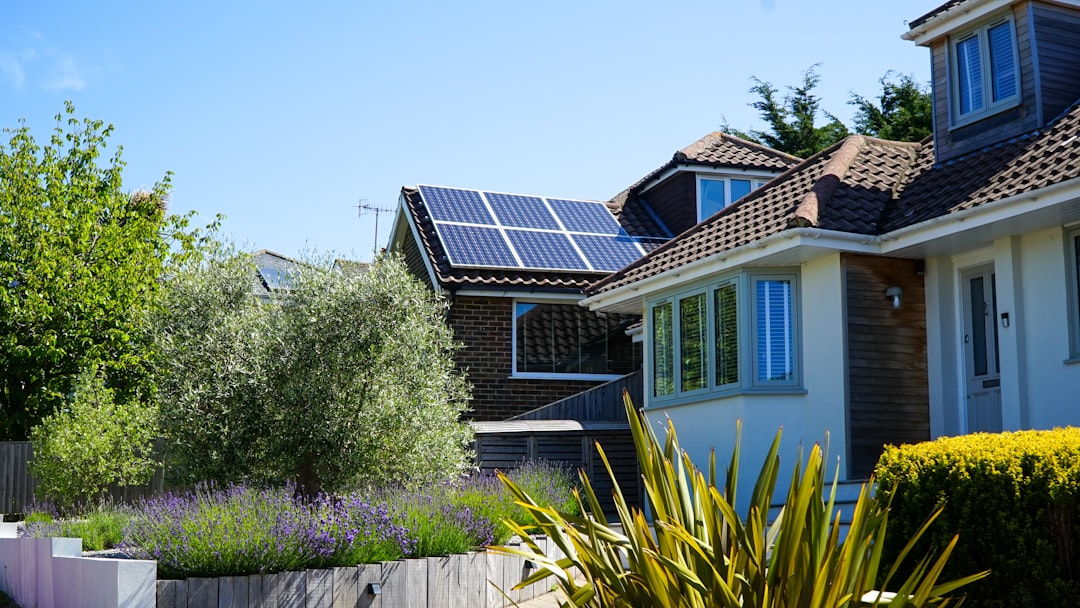
- Integration of renewable energy sources, such as solar panels, where possible.
- Adoption of smart protocols like Matter and Thread for adaptive, low-energy device operation within IoT ecosystems.
Advancements in semiconductor engineering allow devices to do more with less power while operating intelligently.
8. Practical Tips for Consumers to Save Energy Today
- Unplug or use smart plugs: Prevent energy drain from idle devices.
- Choose energy-efficient appliances: Look for the Energy Star® label for verified efficiency.
- Use smart thermostats: Automate temperature settings based on real conditions.
- Switch to LED lighting: Save energy and money with better performance.
- Add an energy monitor: Track and manage your electricity use effectively.
- Manage standby devices: Turn them off fully or schedule downtime to cut overnight consumption.
- Optimize irrigation: Use smart sprinkler systems to conserve water and energy used for pumping and heating.
Implementing just a few of these strategies can reduce your energy bills by hundreds annually and make a meaningful environmental impact.
Conclusion: Making Energy Efficiency Work for You
Energy-saving technologies are no longer optional luxuries but practical, accessible tools benefiting any household. From ultra-low-power ICs developed by companies like Analog Devices to intelligent smart thermostats and lighting solutions, energy efficiency is now within easy reach.
Whether you are a homeowner looking to reduce energy costs or a manufacturer aiming for sustainable design, prioritizing efficient energy use delivers financial savings and supports global environmental goals.
Start adopting these technologies and practices today to invest not only in a lower utility bill but a cleaner, greener future.
Frequently Asked Questions
What is “standby power” and why is it a concern?
Standby power is the electricity consumed by devices while they are turned off or in sleep mode but remain plugged in. It is a concern because it represents a hidden drain that adds to electricity costs and environmental impact without any active use.
How do smart plugs help reduce energy waste?
Smart plugs allow users to monitor and control the power consumption of individual appliances remotely or by scheduling. This capability lets you eliminate unnecessary standby power by turning devices completely off when not in use.
Can LED lighting really save that much energy?
Yes. LEDs consume about 90% less energy than incandescent bulbs and have a much longer lifespan, translating into significant energy and cost savings over time, especially when combined with smart controls like dimmers and motion sensors.
What role do regulations play in energy efficiency?
Regulations such as the EU Ecodesign rules and International Energy Agency recommendations establish limits on energy consumption, including standby power. These policies motivate manufacturers to design more efficient products and accelerate the adoption of energy-saving technologies.
How can I start saving energy immediately?
Begin with simple actions like unplugging idle devices or installing smart plugs, switching to LED bulbs, and using a smart thermostat. Adding an energy monitor can provide insights to optimize your consumption further. Combined, these steps can yield substantial savings right away.