

Cart
0
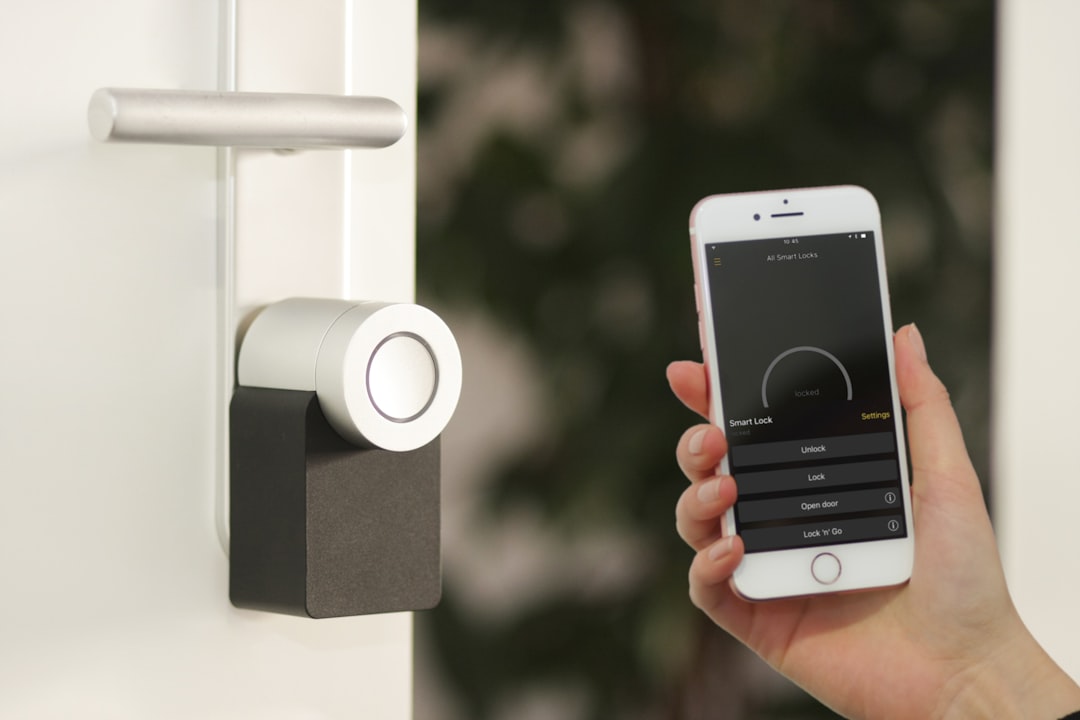
Explore the critical importance of smart home cybersecurity and discover practical strategies to protect your connected devices and personal data from evolving digital threats.
Smart Home Cybersecurity: Protect Your Connected Devices and Privacy
Estimated reading time: 12 minutes
Key Takeaways
- Smart home devices, as part of the IoT ecosystem, enhance convenience but introduce unique cybersecurity risks.
- Implementing strong passwords and multi-factor authentication is vital for securing smart devices.
- Network segmentation isolates smart devices to prevent broad network compromises.
- Regular software updates close security gaps and maintain device integrity.
- Adjusting privacy settings reduces unwanted data exposure and third-party sharing.
- Look for devices bearing the U.S. Cyber Trust Mark to ensure manufacturer security commitment.
- Comprehensive security suites provide layered protection tailored for smart home environments.
- User education and proactive security behaviors are essential for ongoing protection.
Table of Contents
- 1. Why Smart Home Cybersecurity Matters
- 2. How Smart Homes Work and Associated Risks
- 3. Secure Passwords and Multi-factor Authentication
- 4. Network Segmentation for Enhanced Security
- 5. Importance of Routine Software Updates
- 6. Managing Privacy Settings and Data
- 7. Manufacturer Standards and Cyber Trust Mark
- 8. Comprehensive Security Suites for Smart Homes
- 9. The Role of Consumer Education
- 10. Balancing Convenience and Privacy
- 11. Looking Ahead: The Future of Smart Home Security
- Practical Tips Summary
- Conclusion
1. Why Smart Home Cybersecurity Matters
Smart home technology interconnects numerous devices to build convenience, efficiency, and security at home. However, as these devices—ranging from smart locks to voice assistants—tap into your network, they become potential targets for cybercriminals. According to Kaspersky, more than 1.5 billion cyber incidents involved smart devices in early 2021 alone.
Security lapses such as weak passwords, outdated software, and unsecured Wi-Fi leave your home open to unauthorized access, leading to risks like:
- Surveillance through compromised cameras and microphones.
- Control over household systems like heating and appliances.
- Personal data theft including passwords and financial information.
- Use of your devices as attack vectors against others.
Understanding these threats is the first step to securing your connected home.
2. How Smart Homes Work and Associated Risks
Smart homes operate through interconnected IoT devices communicating over your home Wi-Fi network. They automate tasks like temperature control and motion alerts, enhancing convenience and energy efficiency.
However, this integration introduces cybersecurity risks. Common threats include:
- Weak or default passwords: Default passwords often remain unchanged, providing easy entry points.
- Outdated software and firmware: Neglecting updates leaves known vulnerabilities unpatched.
- Inadequate Wi-Fi security: Using obsolete encryption methods or simplistic passwords exposes your network.
- Malicious third-party apps: Unauthorized applications may infiltrate your ecosystem disguised as legitimate tools.
- Physical access risks: Outdoor devices like cameras or sprinklers are susceptible to tampering.
“Security experts advocate a proactive stance in smart home cybersecurity to stay ahead of evolving threats.”
3. Secure Passwords and Multi-factor Authentication
A strong password remains a fundamental defense layer. Ensure every device and account employs a unique, complex password consisting of mixed characters, numbers, and symbols. Avoid generic and reused passwords like “password” or “123456.”
Password managers streamline this process by generating and securely storing complex credentials.
Adding Multi-Factor Authentication (MFA) fortifies access by requiring a secondary verification step—such as a code sent to your phone or biometric confirmation—thereby greatly reducing the odds of unauthorized entry. Enable MFA wherever supported without delay.
4. Network Segmentation for Enhanced Security
Network segmentation entails creating separate Wi-Fi networks to isolate smart devices from your primary computers and smartphones. Most modern routers support multiple networks with independent credentials and access settings.
Benefits of this approach include:
- Limiting hacker access to critical devices.
- Preventing compromised IoT devices from infecting the whole network.
- Enabling easier monitoring and control of smart device traffic.
Setting up a dedicated guest or IoT network for smart plugs, cameras, and sensors is a straightforward and effective security enhancement.
5. Importance of Routine Software Updates
Software and firmware updates fix security flaws discovered by manufacturers. Ignoring them leaves devices vulnerable to known exploits commonly targeted by attackers. Keeping updates automatic or performing regular manual checks ensures your smart home devices maintain current protections and comply with evolving cybersecurity standards.
6. Managing Privacy Settings and Data
Smart devices often collect highly sensitive personal data such as voice commands, video footage, and location information. Managing privacy effectively involves:
- Reviewing and adjusting each device’s privacy controls.
- Disabling unnecessary features like voice ordering or remote access if not required.
- Restricting data sharing and opting out of third-party data sales when possible.
- Carefully reading manufacturer privacy policies to understand data handling practices.
This measured approach limits avoidable exposure and protects personal information from breaches.
7. Manufacturer Standards and Cyber Trust Mark
Security-by-design principles call for manufacturers to embed robust security features and transparent data policies into devices from the outset.
The U.S. Cyber Trust Mark program certifies products meeting rigorous standards set by NIST, ensuring:
- Independent security evaluation.
- Implementation of strong authentication and secure communication protocols.
- Manufacturer commitment to provide timely updates and address vulnerabilities.
Prioritizing devices with this certification can help consumers make safer choices and encourage industry accountability.
8. Comprehensive Security Suites for Smart Homes
All-in-one security solutions designed for smart homes integrate multiple protective layers, including:
- Customized antivirus and anti-malware tools for IoT devices.
- Wi-Fi scanners that detect suspicious network activity.
- Firewalls and intrusion detection systems offering real-time threat responses.
- Password management utilities for generating and storing secure credentials.
- Parental controls and identity theft protections to safeguard families.
Leading suites like Kaspersky Premium and McAfee Total Protection simplify smart home defense while delivering focused security functions.
9. The Role of Consumer Education
Technology alone cannot guarantee smart home security. Awareness and ongoing education empower users to adopt secure habits and adapt to emerging threats. Consider these recommendations:
- Include all household members in security decisions and obtain informed consent prior to adding devices.
- Research device security credentials and manufacturer reputations carefully before purchase.
- Regularly review security and network settings.
- Stay updated on cybersecurity trends and threat evolutions.
Being proactive and vigilant remains the best defense in an ever-changing landscape.
10. Balancing Convenience and Privacy
Not all smart devices pose the same privacy and security risks. Evaluate before installation by asking:
- Does the device collect sensitive personal information?
- Is it physically accessible to outsiders, like outdoor cameras or sprinklers?
- How promptly does the manufacturer issue security updates and patches?
- Does it support features like MFA and encryption?
- Is it certified by trusted standards such as the Cyber Trust Mark?
By carefully weighing these factors, you maintain harmony between smart home convenience and protecting your privacy.
11. Looking Ahead: The Future of Smart Home Security
As the smart home ecosystem expands, new innovations and challenges emerge:
- Human-centered cybersecurity research seeks to develop intuitive systems fostering secure user behavior naturally.
- Advanced digital identity frameworks and novel authentication methods promise enhanced security without sacrificing usability.
- Regulatory efforts, especially in regions with strict mandates like the EU, continue raising IoT security standards.
- Industry cooperation, transparency, and consumer advocacy help disseminate effective security practices.
Smart home cybersecurity remains dynamic; staying informed and adaptable is key to safeguarding your connected lifestyle.
Practical Tips Summary
- Replace all default passwords with complex, unique ones.
- Activate multi-factor authentication on all compatible devices and accounts.
- Segment your home network, isolating IoT devices on a separate guest network.
- Enable automatic software updates or check regularly for patches.
- Adjust privacy settings and deactivate unnecessary features.
- Choose devices bearing the U.S. Cyber Trust Mark or equivalent certifications.
- Use comprehensive security suites to protect your smart home ecosystem.
- Engage in continuous cybersecurity education and awareness.
- Limit physical access to outdoor smart devices to prevent tampering.
Conclusion
Smart home devices revolutionize modern living by offering unparalleled convenience and innovation. Yet, they require vigilant security management to thwart increasingly sophisticated cyber threats.
Blending manufacturer security standards, proactive user practices, and trusted defensive tools builds a resilient smart home defense. Safeguarding your connected environment is not a one-time task but an ongoing commitment to informed, prudent choices.
Step confidently into the smart home future by prioritizing cybersecurity and privacy from the very start.
Discover trusted devices and smart security solutions at Electroeshop to start protecting your connected life today.
FAQ
Q1: Why is changing default passwords on smart devices important?
Default passwords are widely known or easy to guess, allowing hackers quick access to your devices. Changing them to strong, unique passwords helps prevent unauthorized entry and protects your network.
Q2: What does network segmentation accomplish in a smart home?
It isolates smart devices on a separate Wi-Fi network from your personal computers and phones, minimizing the risk that a compromised device could threaten your entire home network.
Q3: How do automatic updates improve device security?
Automatic updates promptly patch security vulnerabilities as they are discovered, closing loopholes attackers might exploit and keeping your devices aligned with the latest security standards.
Q4: What is the U.S. Cyber Trust Mark, and why is it important?
The Cyber Trust Mark is a voluntary certification indicating that a smart device has met rigorous cybersecurity criteria set by NIST and has undergone independent evaluation, providing consumers with assurance of its security features and manufacturer commitment.
Q5: How can I stay informed about emerging smart home cybersecurity threats?
Regularly reviewing technology news, subscribing to trusted cybersecurity blogs, attending awareness webinars, and consulting manufacturer updates will keep you knowledgeable and ready to act against new threats.


