Cart
0
Top Consumer Technology Trends for 2026: What to Expect and Enterprise Impacts
2026 promises a breakthrough year in consumer technology with advancements that will reshape everyday life and enterprise strategy alike. From emotionally aware AI assistants to wireless power transfer, these innovations herald a new era of intelligent, connected, and wellness-focused technology, both at home and in the workplace.
Key Takeaways
- Conversational AI will evolve into emotionally intelligent assistants that transform customer and internal operations.
- Intelligent homes become adaptive AI-driven ecosystems, reflecting similar upcoming smart workplace environments.
- Consumer robotics and smart glasses enter everyday use, easing the path for robotic and wearable adoption in enterprise.
- Micro-LED TVs offer affordable, expansive displays, enhancing both entertainment and professional collaboration.
- Digital wellness trends and a resurgence of dumb phones promote healthier tech use and work-life balance.
- Wireless power transfer begins changing how devices charge, impacting workspace design and infrastructure planning.
- Enterprises must prepare now by aligning infrastructure and culture to thrive alongside these consumer-driven tech trends.
Table of Contents
- 1. Conversational AI Assistants
- 2. Intelligent Homes and AI-Driven Ecosystems
- 3. Consumer Robotics in Daily Life
- 4. Micro-LED TVs: Next-Level Displays
- 5. Smart Glasses: Wearable Breakthroughs
- 6. Wellness Technology and Health Insights
- 7. Multi-Screen Devices for Productivity
- 8. Digital Wellness and Dumb Phone Revival
- 9. Wireless Power Transfer: The Future of Charging
- 10. Implications for Enterprises and IT Leaders
- 11. Conclusion
- FAQ
1. Conversational AI Assistants: The Future of Human-Machine Interaction
By 2026, conversational AI assistants will transcend simple voice commands to deliver emotionally intelligent, context-aware interactions that feel truly human. Enhanced natural language processing combined with advanced machine learning allows these assistants to grasp nuanced queries, remember prior conversations, and interpret emotions.
- AI anticipates user needs by proactively managing calendars, problem-solving, and even aiding lead generation.
- Integration with CRM and service platforms automates workflows efficiently.
- Multilingual translation breaks down communication barriers for global collaboration.
Enterprises benefit from streamlined operations, improved customer experience through emotion-aware responses, and freeing human agents for complex tasks. With intelligent contact centers growing at nearly 19% annually, mastering conversational AI is essential to remain competitive.
Learn more at The Future of Conversational AI: Top Trends for 2026 and Beyond and Voice Agents and Conversational AI: New Developer Trends for 2025.
2. Intelligent Homes: From Connected Devices to AI-Driven Ecosystems
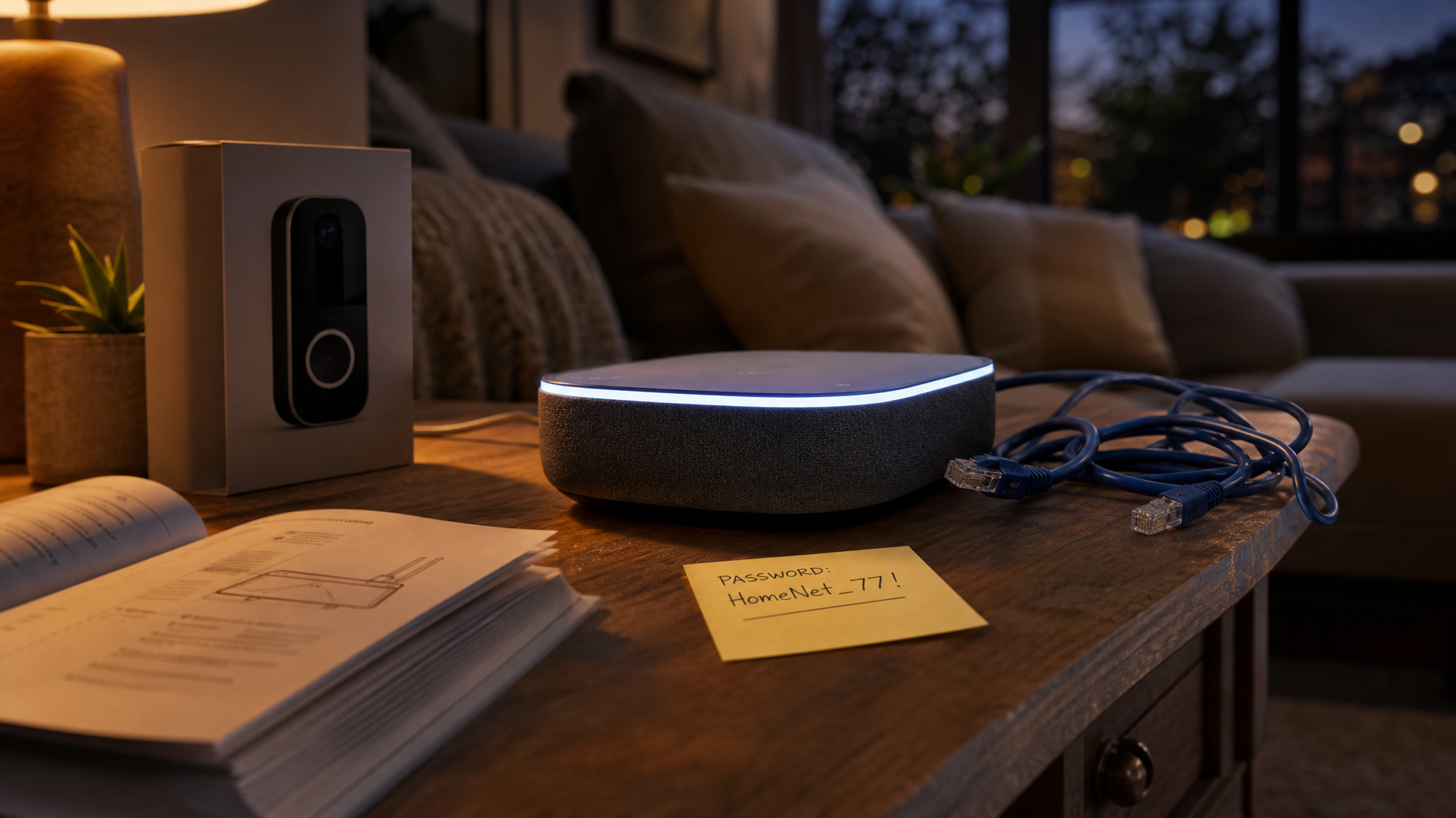
The smart home of 2026 evolves into a fully intelligent, predictive ecosystem. Rather than simply reacting to commands, AI anticipates preferences—adjusting lighting, climate, and security based on learned habits, often before a resident acts.
- Predictive maintenance reminders and energy optimization become standard.
- Devices communicate seamlessly to reduce manual input.
- Advanced voice interfaces enable natural conversations across home systems.
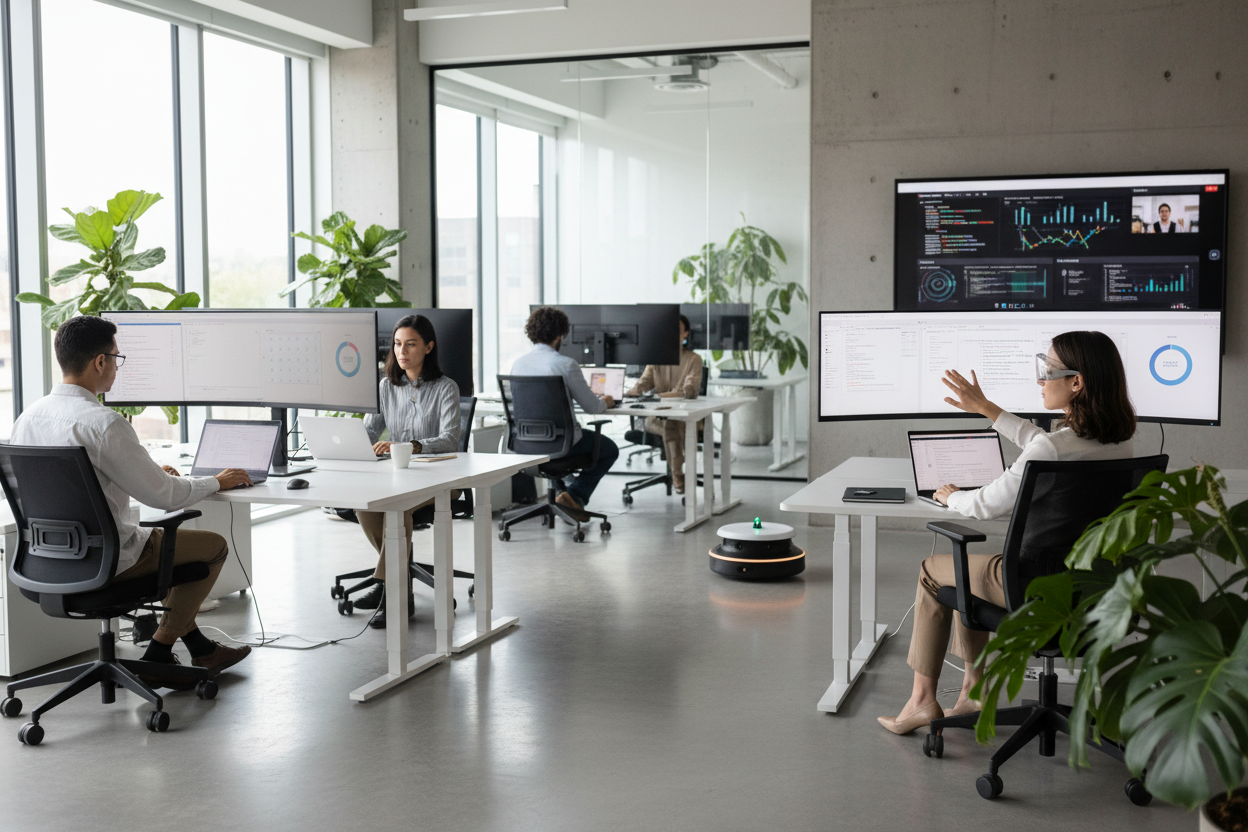
These advances parallel AI-managed workplaces, where office environments adapt automatically and meeting rooms prepare themselves. The result is enhanced convenience for consumers and enterprises alike, delivering responsive, AI-driven spaces.
Explore insights at The Future of Conversational AI and eMarketer on Conversational AI.
3. Consumer Robotics: Making Robots Part of Everyday Life
Robots are becoming everyday companions and helpers. Dish-stacking machines, autonomous home security bots, emotional support companions, elder care assistants, and drones for delivery and monitoring enter the mainstream.
Comfort with home robotics paves the way for enterprise applications such as logistics automation, autonomous surveillance, and reducing workplace injuries by handling hazardous tasks. Human-robot collaboration becomes a growing operational norm.
4. Micro-LED TVs: Bright, Big, and Affordable Displays
Micro-LED technology surpasses OLED, especially for large screen sizes over 100 inches, providing brighter, clearer images at increasingly affordable prices. Brands like Samsung and Sony lead with support for Dolby Vision 2 HDR, delivering lush visuals and cinema-quality color.
Consumers will upgrade for unmatched home theater experiences while enterprises integrate massive displays for crystal-clear meetings, interactive retail signage, and immersive team collaboration.
5. Smart Glasses: The Next-Gen Wearable Breakthrough
Smart glasses have returned with slimmer designs and longer battery life. AI-powered features now include real-time language translation, augmented reality overlays, and voice control—enabling hands-free data access and personalized interactive experiences.
In enterprises, these wearables assist field technicians with step-by-step visual guidance and facilitate hands-free collaboration, crucial for hybrid and remote teams requiring adaptable tools.
6. Wellness Technology: Smarter Health Insights at Home
AI-driven wellness devices like smart mirrors monitoring vital signs, intelligent mattresses tracking sleep, and medication compliance reminders enhance personal health management. These innovations empower better mental and physical wellness both at home and in workplace wellness programs.
Employers increasingly integrate such tools to support employee well-being in distributed workforces, aligning with the surge in digital wellness awareness.
7. Multi-Screen Devices: Redefining Productivity and Mobility
Foldable dual- and tri-screen laptops and smartphones from brands like Samsung and Huawei enable multitasking without multiple devices or peripherals. These portable solutions support complex workflows and reduce hardware burden for mobile and hybrid workers.
8. Digital Wellness and the Resurgence of Dumb Phones
In contrast to growing tech complexity, basic dumb phones regain popularity as a tool to combat digital fatigue. By focusing on calls and texts alone, users seek healthier screen habits without full disconnection.
Businesses respond by embracing policies that promote work-life balance, healthy screen time, and mindful technology use.
9. Wireless Power Transfer: Charging Without Cables
Wireless power transfer (WPT) technologies, led by AI-managed systems developed in Japan, enable the transmission of electricity through the air without physical contact. This ambient charging promises cleaner, more flexible workspaces without tangled cords.
Though broad commercial rollout may take several years, 2026 marks a pivotal moment in advancing WPT research toward practical, sustainable applications including smart cities and IoT.
Watch a glimpse of this technology on YouTube.
10. What These Trends Mean for Enterprise Technology and IT Leaders
The consumer tech trends of 2026 are powerful signals for enterprise transformation and strategic planning:
- Workplace Automation: Intelligent offices mirror AI-driven homes, automating environment and workflow adaptation.
- Human-Centric Design: Emotional intelligence and ergonomic usability are pivotal for technology adoption.
- Hybrid Work Enablement: Multi-screen devices and smart wearables enable the mobile, flexible workforce.
- Robotics Integration: Familiarity with domestic robots eases corporate adoption in logistics and security.
- Digital Wellness: Emphasizing employee well-being influences corporate culture and policy innovation.
- Infrastructure Readiness: Early investment in emerging tech such as wireless power will yield long-term benefits.
- First-Mover Advantage: Proactive adoption positions enterprises as future leaders in efficiency and engagement.
11. Conclusion: Preparing for the Technology Landscape of 2026
The technological landscape in 2026 will bring smarter, more intuitive AI, immersive visuals, adaptive environments, and wellness-focused devices into everyday life and workspaces alike. For enterprises, the imperative is clear: align strategies with these dynamic consumer-driven trends to unlock new levels of operational efficiency, employee satisfaction, and competitive advantage.
The future is approaching faster than ever — preparation today ensures success tomorrow.
Explore the latest innovations and gear up for the future at Electroeshop — your trusted source for cutting-edge technology.
FAQ
What makes 2026 a pivotal year for conversational AI?
Conversational AI in 2026 advances beyond simple voice commands to engaging in emotionally aware, proactive conversations that integrate deeply into workflows and CRM systems, making it a critical tool for both consumers and enterprises.
How are intelligent homes influencing workplace technology?
AI-driven predictive systems that adapt to routines and preferences at home inspire similar intelligent office environments that optimize lighting, climate, security, and meeting setups, improving productivity and comfort.
Are consumer robots safe for home use?
Yes, consumer robots introduced in 2026 are designed with safety, reliability, and ease of use in mind, focusing on practical assistance such as household chores, companionship, and security monitoring.
Why are dumb phones making a comeback?
Dumb phones help users combat digital fatigue by limiting distractions and social media engagement, supporting better mental well-being and work-life balance in an increasingly connected world.
When can we expect wireless power transfer to be widely used?
While 2026 marks significant advancements in wireless power research with AI-managed systems, large-scale commercial availability will likely unfold over the next several years as infrastructure and standards mature.