Cart
0
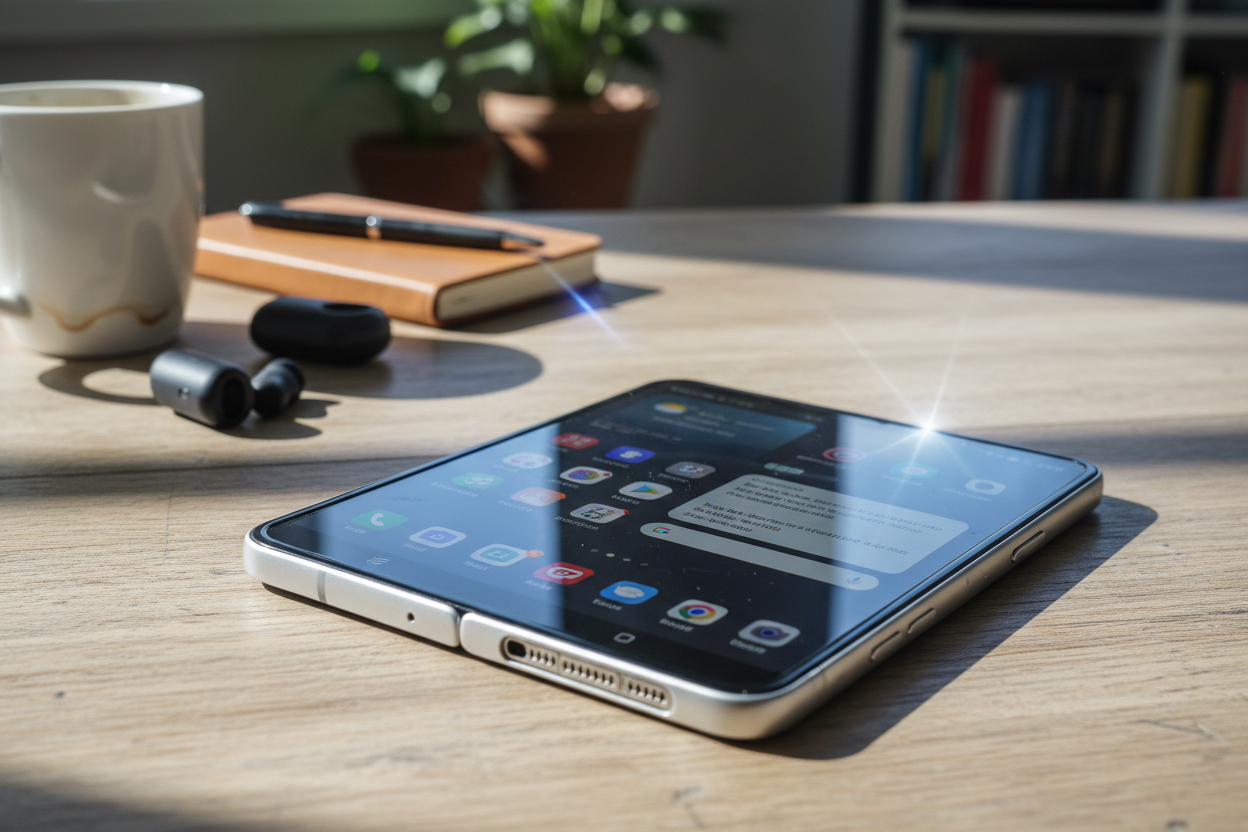
Foldable Phones in 2025: Durability, Design, and Market Trends Unveiled
Key takeaways:
- Foldable phone shipments surged 10% in 2025 with 30% growth projected for 2026.
- Innovations in hinge materials and designs have drastically improved durability up to 1 million folds.
- Various foldable types—book-style, clamshell, tri-fold, and wide-fold—cater to different user needs.
- Advances in display technologies and smarter software enhance multitasking and user experience.
- Foldable cameras and battery life are closing the gap with traditional smartphones, but trade-offs remain.
Table of Contents
- 1. Foldable Phone Market Growth and Innovation
- 2. Types of Foldable Phones and Their Use Cases
- 3. Durability and Hinge Design Advances
- 4. Display Features and User Experience
- 5. Performance, Cameras, and Battery Life
- 6. Pricing and Software Support
- 7. User Opinions and Common Sentiments
- 8. The Future of Foldable Phones
- FAQ
1. Foldable Phone Market Growth and Innovation
Foldable phones have evolved past novelty status to become major players in the smartphone market. In 2025, global shipments grew by 10%, with industry analysts predicting a more robust 30% increase in 2026. Leading manufacturers such as Samsung, Huawei, and Google continue to innovate aggressively. Meanwhile, rumors of Apple launching an iPhone Fold keep the market buzzing.
Key factors driving this expansion include:
- Expanding form factors: Beyond flips and books, tri-fold and wide-fold devices diversify user choices.
- Technological breakthroughs: Advances in flexible OLEDs, robust hinge designs, and premium materials set new durability and style standards.
- Increased consumer demand: Users appreciate foldables for multitasking capabilities, immersive displays, and modern aesthetics.
Such growth is a testament to foldables’ maturing appeal as practical alternatives to conventional smartphones.
2. Types of Foldable Phones and Their Use Cases
Understanding foldable phone formats helps you pick the best device for your lifestyle. As of 2025, foldables mainly come in three categories:
Book-Style Foldables
These open into tablet-like screens 7–10 inches wide, perfect for multitasking, gaming, and media consumption. Flagship examples include the Samsung Galaxy Z Fold 7 and Google Pixel 10 Pro Fold.
- Spacious displays enable efficient split-screen use.
- Ideal for professionals, creatives, and heavy media users.
- Typically offer better battery life than flip-style models.
Clamshell Foldables
These compact vertical flips, like the Motorola Razr Ultra 2025 and Samsung Galaxy Z Flip 7, combine style with portability.
- Ultra-portable and pocket-friendly designs.
- Functional and visually appealing cover screens.
- Great option for those desiring a small phone with a large screen.
Tri-Fold and Wide-Fold Innovations
Emerging tri-fold devices like the rumored Samsung Galaxy Z TriFold and wide-fold models such as Huawei’s Pura X push the envelope further.
- Tri-folds emulate tablet-sized screens to boost productivity.
- Wide-folds provide media-friendly aspect ratios for immersive viewing.
- Advanced hinges like U-shape and water-drop improve folding mechanics.
This variety means you can select a foldable aligned with your preferences—be it performance, portability, or fashion.
3. Durability and Hinge Design Advances
Early foldables often suffered from fragility, but 2025 models mark a new era of ruggedness suitable for everyday use.
Hinge Technology
- Use of stronger alloys such as titanium, Armor Aluminum 2.0, HV900, and Liquidmetal now supports hinges designed for 200,000 to 1 million folds.
- Water-drop and U-shape hinges evenly distribute pressure, minimizing stress and crease formation.
- Improved mechanics ensure smooth, noiseless, and wobble-free opening and closing.
Devices like the Samsung Galaxy Z Fold 5 and Motorola Razr+ boast durability to hundreds of thousands of folds, while the HONOR Magic V2 and OnePlus Open achieve the milestone of one million folds, aided by ceramic coatings and protective layers.
Display Protection and Crease Management
Foldable displays employ Ultra-Thin Glass (UTG) layered with polymer films, balancing flexibility and scratch resistance. Advanced hinge designs and micro-weaving reduce crease visibility, though faint lines may still appear in bright light conditions.
Despite improvements, foldables remain more delicate than rigid phones, so using protective cases or screen layers is highly recommended.
Water and Dust Resistance
- Flagship foldables now typically offer IP48 ratings, protecting against dust and brief water exposure.
- The HONOR Magic V2 advances this with IP68/IPX8 certification, on par with leading slab phones.
- Samsung’s Galaxy Z series continue to provide reliable ingress protection, boosting daily durability.
These enhancements make 2025 foldables far more practical for real-world use.
4. Display Features and User Experience
Foldable phones offer distinct screen formats that influence usability and viewing enjoyment.
- Book-style foldables feature squarer 7–10 inch displays suitable for multitasking but can introduce letterboxing in video playback.
- Clamshell foldables use tall, narrow aspect ratios (like 22:9) optimizing portability and ergonomics, though they limit viewing angles.
- Tri-fold and wide-fold devices approach tablet-like ratios (~16:10), enhancing media experiences and productivity.
Screen crease visibility is minimal, with subtle lines mostly unnoticeable during typical use.
Software improvements seamlessly support foldable transitions:
- Foldable-optimized Android versions enable smooth shifts between folded and unfolded modes.
- Multitasking features like multi-window, drag-and-drop, and app continuity offer fluid workflows.
- Outer cover displays have become functional mini-screens capable of running full apps even when closed.
5. Performance, Cameras, and Battery Life
Camera Progress
While foldables traditionally trailed flagship smartphones in photography, the gap is rapidly narrowing.
- The Google Pixel 10 Pro Fold excels with computational photography and crisp images.
- The Oppo Find N5 combines refined design with quality camera arrays suited to slim foldable bodies.
- The Motorola Razr Ultra’s triple 50MP cameras deliver strong everyday performance, though it falls short of top-tier photo-centric flagships.
For most users, this narrowing disparity makes foldables suitable for everyday photography needs.
Battery Life Considerations
Foldable designs require split batteries, influencing power density and endurance.
- Book-style foldables like the Pixel 10 Pro Fold can reach up to 24 hours of mixed use.
- Clamshell phones generally offer between 14 and 22 hours due to smaller battery capacities.
- More extensive screens can lead to higher power draw, heat generation, and shorter runtimes during multitasking or intensive apps.
Ongoing innovation in energy efficiency and thermal controls continues to improve real-world battery performance.
6. Pricing and Software Support
Foldables remain a premium category, reflecting their advanced technology.
- Prices range from around $700 up to over $2,000 depending on features and brand prestige.
- Budget-conscious options like the Motorola Razr 2025 hover under $1,000 but include trade-offs.
- Costs partly stem from complex hinges, flexible displays, and challenging repair processes.
Regarding software support:
- Samsung and Google lead with up to 7 years of updates, boosting device longevity and security.
- Motorola offers 3 years of OS updates and 4 years of security patches, which may impact longevity.
- While Android is increasingly optimized for foldables, app compatibility varies across brands.
7. User Opinions and Common Sentiments
Community feedback in 2025 highlights both enthusiasm and lingering concerns around foldables.
What Users Love
- Outstanding portability combined with generous screen real estate.
- Seamless multitasking enabled by foldable screens and smart software.
- Strikingly modern and stylish designs.
- Significantly improved build quality and sturdiness compared to earlier generations.
Common Complaints
- Screen creases still visible to some users under certain lighting.
- Battery life occasionally falls short of expectations compared to traditional phones.
- Camera systems, while solid, may not fully match flagship slab phones.
- Screen protectors experience accelerated wear due to folding stress.
“Foldables have come a long way—combining innovation with practicality—but power users still need to weigh trade-offs in battery and camera performance.”
8. The Future of Foldable Phones
The foldable phone market is poised for exciting growth beyond 2025. Key developments to watch:
- Expanded form factors beyond bi-folds and flips, offering richer choices.
- Improved durability, hinge technology, and battery life.
- Smoother, more intuitive software interfaces crafted specifically for foldable user scenarios.
- Enhanced water resistance and hinge tolerances to boost reliability.
- Greater outer display functionality, especially on clamshell phones.
- Cost reductions via streamlined manufacturing, making foldables more accessible.
Developers will increasingly optimize apps for large foldable screens, ensuring seamless use across folded and unfolded modes.
With Apple rumored to enter the foldable arena, competition will intensify—propelling innovation while keeping traditional smartphones relevant for budget-conscious buyers.
FAQ
Q: Are foldable phones durable enough for daily use?
A: Yes. Thanks to advanced hinge materials like titanium and Armor Aluminum 2.0, plus robust water and dust resistance levels (IP48 and above), foldables in 2025 are built to handle daily wear and tear. However, they remain more delicate than rigid phones, so protective cases are advisable.
Q: How do foldable phones compare to regular smartphones in camera quality?
A: Foldable cameras have improved significantly. Flagships like the Google Pixel 10 Pro Fold rival traditional phones in photography, but some foldables may still lag slightly behind slab flagships in low light or advanced features.
Q: What foldable style is best for productivity?
A: Book-style foldables with larger, squarer screens excel in multitasking and productivity uses, offering ample space for split-screen apps and media consumption.
Q: Are foldables more expensive to buy and maintain?
A: Generally, yes. Foldables command premium prices due to their complex construction and materials. Repairs and replacements can also be pricier, reflecting specialized components like hinges and flexible displays.
Explore the latest foldable models and secure your next device at Electroeshop’s curated foldable phone collection.