⚠️ WARNING (California Proposition 65): This product may contain chemicals known to the State of California to cause cancer, birth defects, or other reproductive harm. For more information, please visit www.P65Warnings.ca.gov.
Frequently Asked Questions
Q: What is the supply voltage range of the Taidacent sensor?A: The supply voltage range is from one point eight to five volts DC. This range allows for versatile use in various electronic applications.
Q: What are the operational temperature and humidity ranges?A: The operational temperature range is from minus forty to plus eighty-five degrees Celsius, and the humidity range is from zero to one hundred percent. These specifications make it suitable for diverse environmental conditions.
Q: What interfaces does this sensor support?A: The sensor supports both I2C and SPI interfaces. I2C can be used for simple wiring, while SPI allows for connecting multiple sensors without address conflicts.
Q: What is the resolution of the temperature measurements?A: The resolution for temperature measurements is zero point zero one degrees Celsius. This high precision ensures accurate readings in various applications.
Q: How accurate is the humidity measurement?A: The humidity measurement accuracy is plus or minus three percent. This level of accuracy is essential for reliable environmental monitoring.
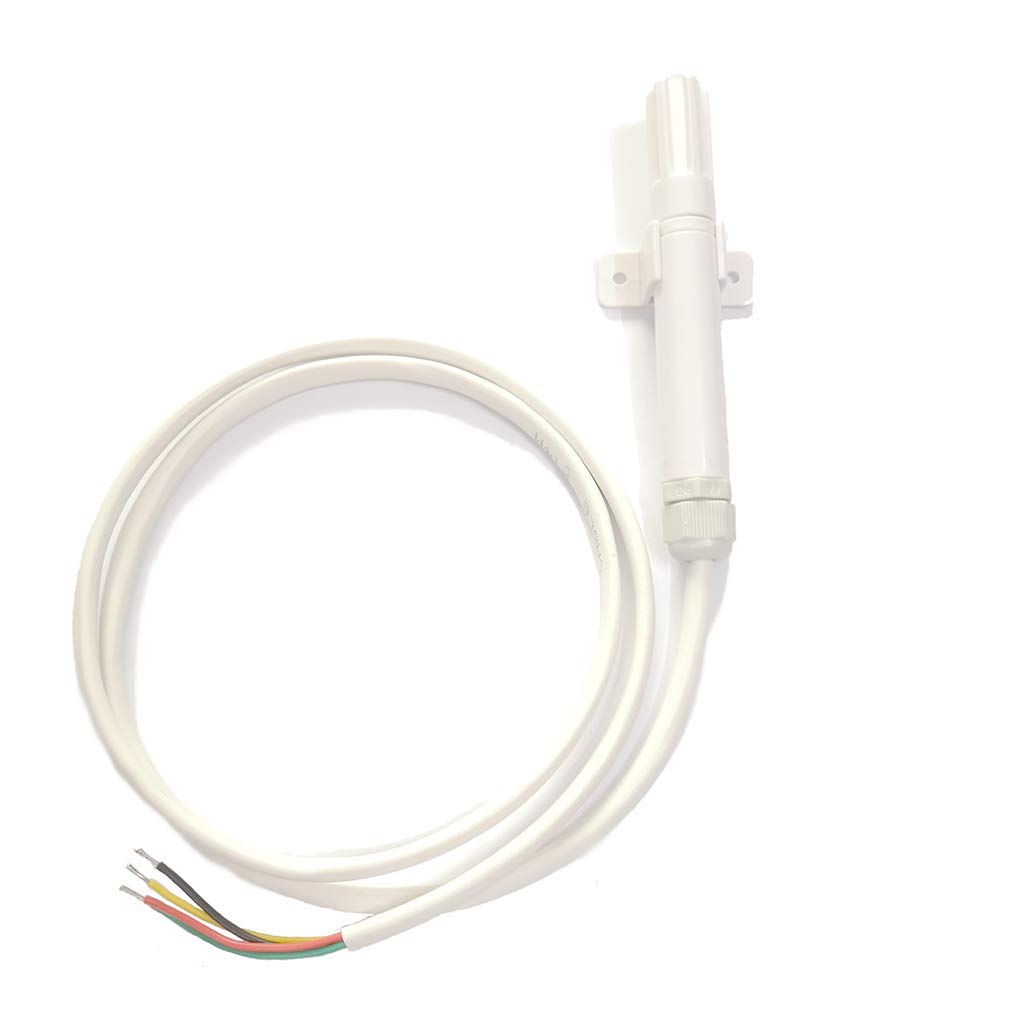
Q: What is the color and size of the sensor?A: The sensor is available in white color and has a size of two meters. This length allows for flexible placement in different setups.
Q: How do I install the Taidacent sensor?A: To install the sensor, connect it to your microcontroller using I2C or SPI interface. Follow the manufacturer's instructions for specific wiring and integration guidance.
Q: Is this sensor suitable for beginners?A: Yes, this sensor is suitable for beginners. Its simple I2C interface makes installation straightforward, even for those new to electronics.
Q: Can this sensor be used in outdoor environments?A: Yes, the Taidacent sensor can be used outdoors. Its wide operational range allows for effective monitoring in various weather conditions.
Q: How do I clean the sensor to keep it in good condition?A: To clean the sensor, use a soft, dry cloth to gently wipe the exterior. Avoid using liquids or solvents that could damage the sensor.
Q: What should I do if the sensor does not work properly?A: If the sensor does not work, check the connections and ensure power supply is within the specified range. Refer to the troubleshooting section in the manual for further assistance.
Q: Is there a warranty for the Taidacent sensor?A: Yes, the Taidacent sensor typically comes with a warranty. Check the product packaging or the manufacturer's website for specific warranty details.
Q: How can I ensure accurate pressure readings?A: To ensure accurate pressure readings, calibrate the sensor according to the manufacturer's guidelines. Regular calibration helps maintain measurement precision.
Q: Can I use multiple sensors together?A: Yes, you can use multiple sensors together, especially with the SPI interface. This setup allows for extensive monitoring without address conflicts.
Q: What is the typical lifespan of the sensor?A: The typical lifespan of the sensor can vary based on usage conditions, but it is designed for long-term reliability in various applications. Proper care can extend its life.