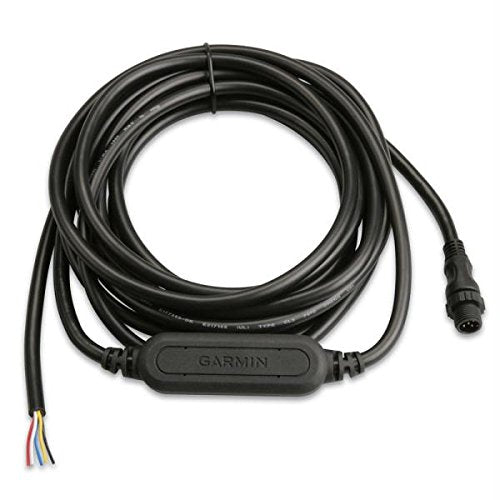
The New Nmea 2000 Analog Adapters Are The Perfect Accessories To Bring Any Helm Into The Digital Age. Simple To Install And Easy To Set Up, The Nmea 2000 Adapters Take Signals Generated By Traditional Analog Gauges And Sensors And Convert That Data Into Nmea 2000 Format. The Data Can Then Be Broadcast Over Nmea 2000 Protocol To The Garmin Gmi 10 Multifunction Instrument Display. The Combination Of These Adapters With A Garmin Gmi 10 Will Transform Even The Most Out-Of-Date Dashboard Into A Glass, Digital Helm. Owner'S Manual (Pdf)
⚠️ WARNING (California Proposition 65): This product may contain chemicals known to the State of California to cause cancer, birth defects, or other reproductive harm. For more information, please visit www.P65Warnings.ca.gov.
Frequently Asked Questions
Q: What are the dimensions of the Garmin GFL 10 Fluid Level NMEA 2000 Analog Adapter?A: The dimensions are nine point thirty-seven inches in length, six point eighty-five inches in width, and two point seventeen inches in height.
Q: What is the weight of the Garmin GFL 10 Fluid Level NMEA 2000 Analog Adapter?A: The weight is one point two pounds, making it lightweight and easy to handle during installation.
Q: What type of connectors does the Garmin GFL 10 use?A: The Garmin GFL 10 uses NMEA 2000 connectors, which are standard for marine electronics, ensuring compatibility with a variety of devices.
Q: How do I install the Garmin GFL 10 Analog Adapter?A: Installation is simple; just connect the adapter to your existing analog gauges and plug it into the NMEA 2000 network.
Q: Is the Garmin GFL 10 suitable for all boat types?A: Yes, the Garmin GFL 10 is designed for use with any boat that has NMEA 2000 capabilities, enhancing your helm setup.
Q: Can I use the Garmin GFL 10 with older analog gauges?A: Yes, the adapter converts signals from traditional analog gauges into NMEA 2000 format, allowing for modern integration.
Q: How do I care for the Garmin GFL 10 Analog Adapter?A: To maintain the adapter, keep it dry and clean; avoid exposing it to harsh chemicals or extreme environments.
Q: Is the Garmin GFL 10 made from durable materials?A: Yes, the adapter is designed for marine use, ensuring it can withstand the rigors of a marine environment.
Q: What safety features does the Garmin GFL 10 include?A: The adapter features auto-grounding to prevent electrical faults, enhancing safety during operation.
Q: How do I store the Garmin GFL 10 when not in use?A: Store the adapter in a cool, dry place, preferably in its original packaging to prevent damage.
Q: What should I do if the Garmin GFL 10 arrives damaged?A: If the adapter arrives damaged, contact the retailer immediately for a return or exchange, as it comes with a warranty.
Q: What if my Garmin GFL 10 doesn't work after installation?A: If the adapter does not function, check the connections and ensure it is properly integrated with the NMEA 2000 network.
Q: Can I return the Garmin GFL 10 if I change my mind?A: Yes, returns are typically accepted within a specified period; check the retailer's policy for details.
Q: How does the Garmin GFL 10 compare to other analog adapters?A: The Garmin GFL 10 stands out for its ease of installation and compatibility with various marine devices, making it a top choice.
Q: Is the Garmin GFL 10 suitable for beginners?A: Yes, it is designed for easy installation and use, making it suitable for both beginners and experienced users alike.
Q: What advantages does the Garmin GFL 10 offer over traditional gauges?A: The adapter digitizes analog gauge data, providing more accurate readings and the ability to integrate with advanced marine displays.